Best WiFi Dog Fence Systems for Outdoor Freedom
Choosing a wifi dog fence means balancing range, ease of setup, and humane training options. This guide reviews five leading GPS-based wireless fences designed for outdoor freedom, from large farms to expansive yards. You’ll find adjustable boundaries, multiple training modes, water resistance, and multi-dog capabilities. Start with the quick summary table to compare basics, then explore detailed product sections for real-world applicability and performance notes. Each option uses GPS to define safe zones and sends gentle corrections when dogs approach the boundary, helping you keep pets safe without intrusive wiring.
| Product | Brand | Range | Notes |
|---|---|---|---|
| VERSMELO GPS Wireless Fence System | VERSMELO | 33–1999 yards | AI GPS, 6-level correction, outdoor emphasis |
| PRTRFLC GPS Wireless Dog Fence System | PRTRFLC | 49–6561 ft | Memory function, 3 training modes, adjustable radius |
| PetSafe Wireless Pet Containment System | PetSafe | Up to 1/2 acre | 5 correction levels, tone-only mode, user-friendly |
| PetSafe Stay & Play 2-Dog Wireless Fence | PetSafe | Up to 3/4 acre | 2 collars, 5 correction levels, tone mode |
| LUCKSKY Invisible Digital Fence for Dogs | LUCKSKY | Up to 3,000 ft | No wires, GPS boundary, waterproof collar |
VERSMELO GPS Wireless Fence System

- U.S. GPS chip with AI for accurate, real-time positioning and strong anti-interference performance.
- Safe & gradual correction system using sound, vibration, and up to 6 levels of static shock; auto-protection mode after two corrections to prevent overstimulation.
- Wide outdoor coverage with a boundary radius from 33 to 1999 yards; designed for farms and large yards; automatically resumes when the dog returns to open areas.
- IPX7 waterproof collar and rugged outdoor design.
- Suitable for pets over 18 lbs.
PRTRFLC GPS Wireless Dog Fence System
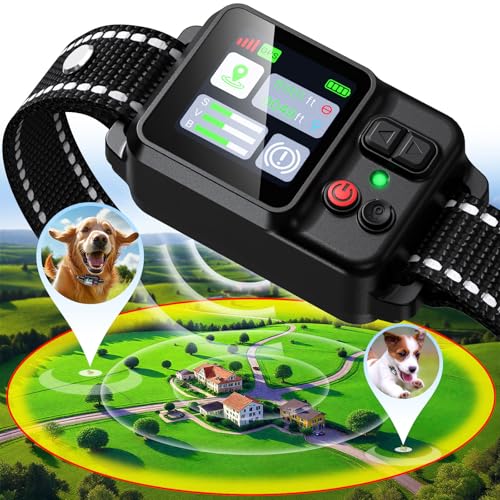
- GPS positioning with AI technology for ultra-precise tracking and strong anti-interference performance.
- Adjustable radius up to 6561 ft (1256 acres) with a memory function that preserves settings after power-off.
- Three training modes: Beep (1–5), Vibration (0–9), and Shock (0–9); Protection Mode prevents over-correction when needed.
- Interference-free operation suitable for outdoor use; quick setup.
- Rechargeable collar with simple controls; no base station required.
PetSafe Wireless Pet Containment System

- Wireless boundary up to 1/2 acre; lightweight and travel-friendly with simple 1–2 hour setup.
- 5 adjustable correction levels plus tone-only training mode; designed to reinforce positive behavior without constant stimulation.
- Adjustable neck collar; waterproof, rechargeable receiver fits dogs with neck sizes 6–28 inches.
- Safe reentry and static-free return to the play area; no digging or fencing required.
PetSafe Stay & Play 2-Dog Wireless Fence

- Circular boundary up to 3/4 acre; designed to support two receiver collars for households with two dogs.
- 5 correction levels and a tone-only training mode to tailor to different temperaments.
- Waterproof, battery-operated collars with adjustable neck sizes 6–28 inches; 1 RFA-67 starter battery included.
- Battery life typically lasts 1–2 months, reducing frequent replacements during long outdoor assignments.
LUCKSKY Invisible Digital Fence for Dogs

- Precise GPS-based boundary up to 3,000 feet; no physical wires required for a flexible setup.
- WiFi-free system with waterproof collar; three training modes including vibration and static shock.
- Easy setup in minutes: center point, boundary range, select correction level, and acclimate your dog.
- Eco-friendly and cost-effective alternative to traditional fencing; reusable across relocations.
Buying Guide
Key considerations help determine which wifi dog fence best fits your yard, dog size, and training goals. Understanding these factors can prevent over- or under-coverage and ensure humane, effective boundary management.
- Range and boundary type: GPS-based fences create a virtual boundary using coordinates, typically offering large, scalable zones. Some systems use fixed radii (feet or yards) that are easier to set but may require more frequent repositioning for changing layouts.
- Yard size and terrain: Very large properties, farms, or irregular terrain benefit from longer-range options. Dense woods or metal structures can affect GPS signal, so consider interference resilience and fallback modes.
- Multi-dog capability: If you have two or more dogs, look for models that include multiple collars and synchronized boundaries. Battery life and collar compatibility are crucial for seamless operation.
- Training modes and humane options: Most systems offer Beep, Vibration, and Shock levels. Choose devices with gradual correction, auto-shutoff, and a safe-proximity feature to prevent overstimulation.
- Durability and weather resistance: Outdoor use requires IP-rated collars and weatherproof components. Confirm water resistance and battery longevity for seasonal use.
- Power, charging, and maintenance: Compare rechargeable versus replaceable batteries, charging times, and memory functions that preserve settings after power-off.
- Setup complexity and portability: Wireless, app-free designs are generally easier to deploy in temporary setups (rental homes, vacation properties) but may lack some advanced controls found in more permanent installations.
- Safety and compliance: Auto-protection modes, rapid retraction of correction, and clear warning cues reduce risk of accidental over-correction and help maintain humane training standards.
- Cost of ownership: Consider the initial device price, collar replacements, and potential need for extra collars for multi-dog households; weigh against long-term value and coverage needs.