Best Treats for Dogs With Upset Stomachs and Gentle Digestion
Introduction
Choosing treats for dogs with sensitive bellies requires options that support gentle digestion while still offering flavor and enjoyment. The following picks emphasize real ingredients, digestibility, and natural fibers that aid gut health. This guide compares five products that are commonly recommended for upset stomachs and can help maintain regularity when used as part of a balanced diet.
The table below summarizes how each selection contributes to digestive comfort and pet wellness, based on ingredient quality, digestive support features, and general suitability for dogs with sensitive stomachs.
| Product | Brand | Why It Helps |
|---|---|---|
| Blue Buffalo Basics Turkey Treats | Blue Buffalo | Real turkey first, skin & stomach care, gentle crunch |
| BeneBars Digestive Support | Blue Buffalo | Prebiotic fiber, USA ingredients, digestion support |
| Waggin’ Train Duck Jerky Tenders | Waggin’ Train | Whole muscle duck, simple ingredients, supports digestion |
| Bocce’s Bakery Digestive Treats | Bocce’s Bakery | Soft-baked, limited ingredients, gentle on mouths |
| Fruitables Pumpkin Digestive Supplement | Fruitables | Natural pumpkin-based fiber for gut health |
Blue Buffalo Basics Turkey Treats

These crunchy biscuits start with real turkey as the #1 ingredient, aiming to support gentle digestion. They are formulated with skin and stomach care in mind, offering a straightforward recipe that many dogs with upset stomachs tolerate well. The crunchy texture makes them an appealing reward for dogs of all sizes, while avoiding common irritants that can upset a sensitive stomach.
Blue Buffalo BeneBars Digestive Support

These bars feature real USA chicken as the first ingredient and are packed with prebiotic fiber to foster digestive health. The addition of antioxidant-rich fruits supports overall wellness, while the natural ingredients align with a gentle approach suitable for dogs with sensitive stomachs. The convenient 9-ounce bag provides a steady supply of treats without a heavy or processed feel.
Waggin’ Train Duck Jerky Tenders

These duck jerky tenders use 100% real duck breast as the first ingredient and keep ingredients simple with just three elements. This whole muscle cut offers a protein-rich option that tends to be well-tolerated by dogs with sensitive stomachs. In addition, they include prebiotic fiber to help support digestive health, making them a practical choice for occasional treats during recovery or ongoing management of mild digestion issues.
Bocce’s Bakery Digestive Treatment Treats

These soft-baked treats prioritize a chewy bite and limited ingredients, featuring oat flour, pumpkin, and ginger for digestive comfort. With only nine calories per treat, they enable frequent rewarding without overloading calories. The USA-based baking ensures local ingredient sourcing and consistent quality, making them a thoughtful option for dogs requiring a gentler treat that’s easy to chew.
Portland Pet Food Pumpkin Treats
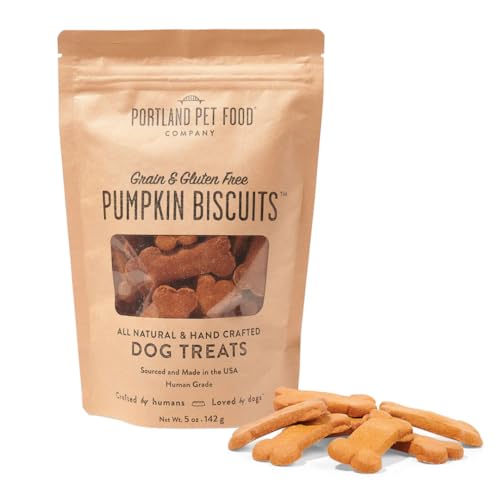
These grain-free, human-grade treats are crafted with natural pumpkin and other wholesome ingredients to support digestion. The limited ingredient approach helps dogs with allergies or sensitive stomachs, while the pumpkin provides fiber to aid gut health. The product is manufactured in the USA and offers a variety of flavors to reduce monotony in a digestion-focused feeding plan.
Fruitables Pumpkin Digestive Supplement

This pumpkin-based supplement provides natural fiber to support regularity and gentle digestion. It’s designed to be easy to mix with current meals and can help with occasional upset stomachs or constipation. The formula emphasizes natural ingredients and pumpkin as a key nutrient for gastrointestinal wellness, offering a flexible option for dogs needing dietary fiber support without prescription diets.
Buying Guide: Key Purchase Considerations And Comparisons
When choosing treats for dogs with upset stomachs, consider these criteria to optimize digestive comfort and overall wellness:
- Ingredient quality: Prefer real meat as the first ingredient, minimal fillers, and limited artificial additives. Real poultry or fish often supports better palatability with gentler digestion.
- Digestive support ingredients: Look for prebiotic fibers, pumpkin, ginger, and whole-food fibers that promote regularity and gut health without harsh laxatives or excessive fat.
- Texture and chew: Softer treats are easier to chew and may be better for older dogs or those with mouth sensitivities, while crunchy options can aid dental health but may irritate sensitive stomachs in some dogs.
- Protein source variety: If a dog has sensitivities or allergies, rotating between novel proteins (e.g., duck) and limited ingredients can reduce the risk of flare-ups while keeping meals interesting.
- Calorie content: For dogs with digestive issues, moderate-calorie treats help prevent weight gain during recovery. Choose items with lower calorie counts per treat if available.
- USA-made ingredients and sourcing: Products with clearly identified, quality-local ingredients may offer more consistent quality and support for responsible manufacturing practices.
- Usage guidelines: Use treats as part of a balanced diet, and follow any veterinary advice for dogs with pancreatitis, diarrhea, or vomiting. Avoid giving treats during acute illness without veterinary guidance.
- Form factor: Soft versus crunchy, size, and frequency of feeding. Consider your dog’s size, chewing behavior, and tolerance to different textures when selecting products.
In practice, a varied approach often works best. Pair a gentle, fiber-rich treat with a bland or easily digestible main diet during episodes of upset stomach, and gradually reintroduce normal meals as digestion improves. Always monitor for changes in stool, appetite, and energy, and consult a veterinarian if symptoms persist beyond a few days or worsen.