Best Shampoo Options for Stud Tail in Cats: Cleanse, Soothe and Protect
Stud tail, or greasy, irritated tail glands, can be a nuisance for cats and challenging for owners seeking safe cleansing solutions. The right shampoo can help manage excess oil, reduce itching, and support healthier skin. This guide reviews five well-regarded cat shampoos designed to address tail-related sebum buildup, oily tails, and dermatitis-like symptoms while remaining gentle enough for regular use. Each product below offers a different approach, from deep cleansing to medicated relief, to help you choose what works best for your cat’s needs.
Summary of selected products:
- Breezytail PetO’Cera All-in-One Cat Shampoo and Conditioner (Hypoallergenic, Unscented) — Vet-developed, deep cleanse and conditioning in one step.
- Ninibabie Cat Oily Tail Cleanser — 2-in-1 wash and brush designed to degrease tails without rinsing.
- Veterinary Formula Clinical Care Antiseptic & Antifungal Medicated Shampoo — Targets red, scaly skin and greasiness with therapeutic ingredients.
- earthbath Hypoallergenic Cat Shampoo — Fragrance-free, soothing and balanced for sensitive skin.
- Arm & Hammer 2-in-1 Deodorizing & Dander Reducing Cat Shampoo — Odor control and dander reduction with baking soda.
Breezytail PetO’Cera All-in-One Cat Shampoo and Conditioner

The Breezytail formula combines cleansing and conditioning in one step, focusing on gentle care for sensitive skin. Its premium composition supports a healthy coat while helping soothe minor irritations commonly observed with stud tail. This hypoallergenic option is designed to be safe for regular use on cats and even kittens, reducing the risk of dermatitis flare-ups from frequent baths. The veterinary-developed approach emphasizes a balanced pH and natural ingredients to protect skin integrity without harsh detergents.
Breezytail PetO’Cera All-in-One Cat Shampoo and Conditioner (Unscented)
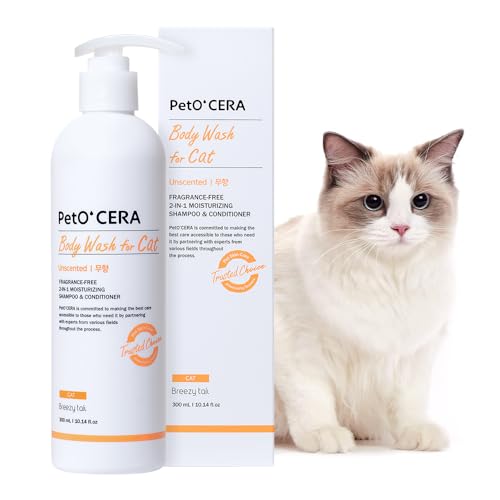
This unscented version provides the same deep cleansing and conditioning benefits without fragrance, making it ideal for cats with fragrance sensitivities or owners who prefer a neutral scent. The unscented formula helps mitigate potential irritants that can aggravate sensitive skin around tail glands. Regular use can help maintain coat softness while supporting a calm, clean grooming routine for cats prone to oily tails.
Veterinary Formula Clinical Care Antiseptic & Antifungal Medicated Shampoo

Designed to address a range of skin concerns, this medicated shampoo targets red, scaly, greasy, or irritated skin that can accompany stud tail. It provides fast-acting relief through antiseptic and antifungal properties, helping to calm inflammation and reduce foul odors associated with unhealthy skin. The formula is pH-balanced and free from parabens and harsh residues, making it a practical choice for pets requiring therapeutic care under veterinary guidance.
earthbath Hypoallergenic Cat Shampoo

Earthbath offers a fragrance-free, pH-balanced formula crafted with plant-derived cleansers and aloe for soothing care. It’s a non-toxic, paraben-free option designed to be gentle on delicate skin while providing a full cleanse that helps with itchiness and irritation often seen with tail-related dermatitis. This hypoallergenic approach suits cats with sensitive skin and owners seeking a safe, USA-made product with cruelty-free standards.
Pet MD Benzoyl Peroxide Medicated Shampoo

This medicated option focuses on relief for dermatitis and folliculitis, with benzoyl peroxide and related cleansing agents designed to reduce bacterial load and oil buildup. It can help soothe itching and reduce bacterial overgrowth that may contribute to stud tail symptoms. While it’s effective for conditions that respond to medicated care, owners should follow veterinary guidance to avoid overuse on sensitive skin or long-term use beyond recommended intervals.
Buying Guide
Key purchase considerations
- Skin sensitivity: If your cat has very sensitive or irritated skin, consider fragrance-free and hypoallergenic formulas to minimize irritation.
- Oil control versus moisture: For oily tails, degreasing and oil-control formulations may be preferred, while conditioners can prevent over-drying that worsens itchiness.
- Medicinal needs: If there is visible redness, scaling, or persistent irritation, medicated shampoos with antiseptic or antifungal properties can be beneficial under veterinary supervision.
- Rinsing requirements: Some 2-in-1 options reduce bath time, but traditional shampoos with separate conditioner steps can offer longer-lasting conditioning for thick coats.
- Fragrance and sensitivities: Fragrance-free products may reduce irritation for cats with fragrance sensitivities or sensitive tails.
Product comparisons
- Best for quick, gentle care: Breezytail All-in-One (regular or unscented) combines cleansing and conditioning, reducing grooming time while supporting skin health.
- Best for oily tails: Ninibabie Cat Oily Tail Cleanser is designed to degrease tails with no rinsing required, appealing to owners who want a fast solution.
- Best medicated option: Veterinary Formula Clinical Care medicated shampoo provides antiseptic and antifungal action for problematic skin conditions, typically used under veterinary guidance.
- Best fragrance-free option: earthbath Hypoallergenic Cat Shampoo offers a soothing, fragrance-free cleanse with plant-based ingredients for sensitive skin.
- Best for odor and dander control: Arm & Hammer 2-in-1 Deodorizing & Dander Reducing Shampoo helps manage odors and reduce dander accumulation in addition to cleansing.
Usage tips
- Test a small patch on the tail area before full bathing to confirm no adverse reaction.
- Follow product directions for contact time; some medicated formulas require a brief soak.
- Rinse thoroughly to prevent residue that could irritate the tail glands.
- Monitor your cat after baths for signs of itching or redness; consult a veterinarian if symptoms persist.
- Establish a regular grooming schedule tailored to your cat’s oil production and skin health needs.