Best Plants for Beginner Aquariums: Easy, Low-Light Starter Options
If you are starting a freshwater aquarium, choosing beginner-friendly plants can make setup simpler and maintenance easier. The right plants help create a natural habitat, reduce nitrate levels, and improve water quality while providing visual appeal. This guide highlights five easy, resilient species and a mixed starter pack that work well in low to moderate light. Each choice supports beginners with simple care, minimal CO2 needs, and versatile placement in the tank. Below you’ll find a concise product summary table and detailed sections to help you decide which plants to add first.
| Product | Best For | Light Needs | Notes |
|---|---|---|---|
| Aquarium Plants Factory 6 Species Pack | Diverse starter set | Low to medium | Fresh-cut, multiple stems per species; unlabeled |
| SubstrateSource Java Fern Windelov | Low-maintenance foreground/background | Low | Attach to décor; easy care |
| SubstrateSource Anubias Barteri Broad Leaf | Hardy, shade-tolerant option | Low | Rhizome-based; remove wool when planting |
| Marcus Fish Tanks Jungle Val | Background cover, fast growth | Medium | Live arrival guarantee; beware extreme weather |
| Amazon Sword Bleheri Trio | Statement background plant | Medium | Requires pruning to avoid shading; hardy |
The following sections provide a deeper look at each option, including growth habits, placement tips, and care considerations to help you plan a lush, low-maintenance aquascape.
Grower’s Choice 6 Species Plant Pack

This mixed starter pack provides six different aquarium plant species, each with multiple stems. The species are not labeled, which encourages experimentation with layout and growth forms as you observe their behavior in your tank. The plants arrive freshly cut and ready to be planted, reducing lag between purchase and setting up your aquascape. Because the collection includes several distinct growth habits, it is suitable for beginners who want a quick, vibrant start without committing to a single species. Expect varying heights and textures that help create depth from foreground to background.
Care and setup are straightforward. Place the stems into appropriate substrate or attach them to driftwood or rocks as needed. Regular light and modest nutrient supply will encourage healthy growth, while pruning helps manage size and prevent overcrowding. This pack is a practical choice for new hobbyists seeking immediate color, texture, and the opportunity to learn how different plants interact with light and flow.
SubstrateSource Anubias Barteri Broad Leaf

Anubias Barteri Broad Leaf is a hardy, visually appealing plant with broad, dark green leaves that bring a bushy mid-ground to background presence. It handles low to moderate light well and tolerates a range of aquarium conditions, making it ideal for beginners. The plant ships in a pot with wool attached to the root system; you should remove the wool and rinse before planting. The rhizome should be kept above the substrate to avoid rot. Anubias is slow-growing but persistently reliable, which helps new aquarists observe steady progress without constant maintenance.
Placement is flexible: anchor the rhizome to rocks, wood, or the substrate using fishing line or plant-safe glue. Its resilience means it often outlasts more delicate species as beginners experiment with layout. Periodic trimming keeps leaves from becoming too large and allows light to reach lower levels of the tank. This plant is an excellent foundational piece for any beginner’s plantscape, especially in tanks with modest lighting or where nutrient dosing is minimal.
SubstrateSource Java Fern Windelov
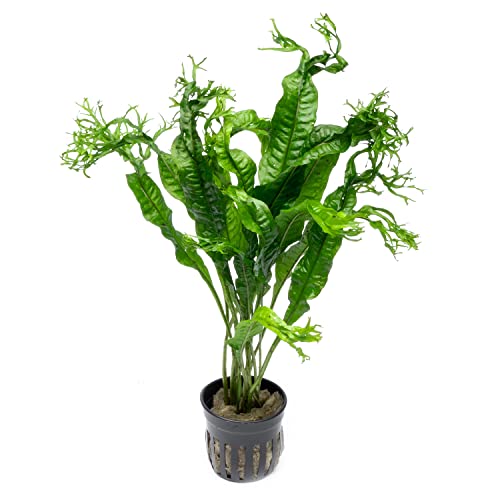
Java Fern Windelov is a popular, beginner-friendly variant of Java Fern. It adds a lush, bushy look thanks to its split leaf tips, which can take on a subtle orange tint under brighter lighting. Java Ferns do not require substrate rooting; they can be attached to driftwood or rocks with thread or glue, reducing the risk of rotting roots in soil. They tolerate low to moderate light and do not require CO2 supplementation, making them ideal for first-time aquarists who want an easy, slow-growing plant that adds structure and texture to mid-ground or background areas.
Care is straightforward: avoid burying the rhizome, ensure good water quality, and monitor light exposure to encourage healthy growth. Regular pruning helps keep the plant from becoming leggy and encourages a fuller appearance over time. Java Fern Windelov’s forgiving nature makes it an excellent addition for new tanks or for growing a visually interesting aquascape without demanding nutrient levels or advanced equipment.
Potted Anubias Nana Var. Nana

These Anubias Nana plants come in 2″ pots with an approximate height of 4–5 inches, offering a compact and versatile option for beginner tanks. They are snail-free and suitable for aquariums of various sizes, making them ideal for tanks with limited space or for use as foreground or mid-ground accents. Anubias nana is known for its resilience and tolerance of low light and nutrient fluctuations. It thrives when attached to décor rather than buried in substrate, preserving the rhizome and encouraging robust, slow growth.
Care tips include avoiding burying the rhizome, rinsing if the plant is dusty, and ensuring a stable aquarium temperature. Anubias is a low-maintenance choice that rewards patient hobbyists who enjoy a steady, decorative plant without frequent trimming. It pairs well with other slow-growing species and acts as a backdrop for fish and invertebrates while providing hiding spots and grazing surfaces for some species.
Jungle Val Jungle Valisneria Tap

Jungle Val, or Vallisneria, is a classic beginner’s plant known for rapid vertical growth and lush background coverage. This listing provides six young plants that are easy to grow and adapt to a range of freshwater setups. Practical notes from suppliers emphasize live arrival and temperature considerations, which are important for new hobbyists to avoid settling plants in unsuitable conditions. Jungle Val is excellent for creating a natural backdrop and providing long, grassy leaves that sway with the current, adding motion and a sense of depth to the tank.
Placement is typically in the background or mid-ground, anchored in substrate so the roots can establish while the leaves rise toward the light. It tolerates a variety of water conditions, though moderate to higher lighting accelerates growth. Regular trimming helps maintain a tidy appearance and prevents overtopping of foreground plants. If you are aiming for a tall, dynamic aquascape, Jungle Val is one of the easiest ways to achieve that effect with minimal effort.
Buying Guide
- Light and growth: Low-light plants like Java Fern, Anubias, and many Vallisneria varieties are forgiving for beginners. If your tank has higher light, you may see faster growth in Amazon Sword, but you’ll also need to prune and manage nutrient levels to prevent algae and shading of lower plants.
- Tank size and layout: Consider foreground, mid-ground, and background needs. Anubias and Java Fern excel as mid-ground or attached décor accents; Jungle Val and Sword can fill background spaces. A mixed starter pack like the Grower’s Choice set can provide immediate depth and variety for all zones.
- Substrate and attachment: Anubias and Java Fern typically do not require embedding in substrate; attach them to driftwood or rocks. Swords and Vallisneria benefit from a nutrient-rich substrate or regular dosing for robust, steady growth. Avoid burying rhizomes and roots too deeply.
- Maintenance and pruning: Expect pruning to manage plant height and prevent shading. Slow-growing Anubias and Java Fern require less frequent pruning, while sword plants may need more regular trimming to keep their leaves from dominating the tank.
- Water parameters and compatibility: Most listed starter plants tolerate a range of freshwater conditions. Moderate water flow and stable temperatures (typical tropical ranges) support healthy growth. CO2 is optional for these beginner species, though some light fertilization can promote denser growth in high-tech setups.
- Shipping and acclimation: Live plants can be sensitive to temperature and transport stress. Check seller notes about weather, acclimation instructions, and return or replacement policies in case a plant arrives stressed or damaged.
- Tank readiness: If you are new to aquariums, start with a few hardy plants to learn the basics of lighting, filtration, and nutrient balance before adding more delicate species. A balanced combination of fast-growing background plants and slower foreground plants offers both practical filtration benefits and visual variety.