Best Plants for a Fish Tank: Top Picks for a Healthy Aquarium
Choosing the right plants for a fish tank can improve water quality, offer shelter for shy fish, and enhance viewing pleasure. This guide highlights popular options that fit a range of setups—from live greens that grow with your tank to durable plastic plants that stay vibrant without extra care. Whether you are stocking a small betta tank or a large community aquarium, these selections address different lighting, substrate, and maintenance needs while keeping safety in focus.
Summary highlights are shown below to help you compare at a glance. The table includes live and artificial options, so you can pick based on your aquarium size, lighting, and maintenance preferences.
| Product | Brand | Type | Notes | Size |
|---|---|---|---|---|
| PietyPet Green Plant Set | PietyPet | Plastic Plants | 10 pieces; pedestals prevent floating; mixed greens | 2–7.9 inches |
| Aqueon Aqua Soil | Aqueon | Substrate | 5-pound bag; supports plant and invertebrate growth | 5 Pounds |
| Amazon Sword Live Plant | Water Plants | Live Plant | Hardy; grows tall; low-light tolerance | 20–50 cm |
| Salvinia Minima (Water Spangle) | Aquarium Plant Center | Live Floating Plant | Low light; floating cover | Leaves |
| Ameliade Plastic Plant Set | Ameliade | Plastic Plants | Realistic look; easy care; firm bases | Varies |
PietyPet Green Plant Set For Aquariums

The PietyPet set includes ten green plastic plants in varied shapes and sizes, designed to create depth and shelter in the aquarium. Two small pieces (about 2 to 4.9 inches) and two larger pieces (up to about 7.9 inches) offer versatile placement along the mid and back zones. Each plant sits on a pedestal at the bottom, providing heaviness that prevents drifting in current or when fish swim vigorously. The soft, kid-safe leaves reduce risk of fin injuries while adding color and structure to the tank layout. These plants require no maintenance beyond occasional rinsing.
Safety and ease are key benefits. The pedestals keep the plants anchored, so you can rearrange the layout without constant replanting. The plastic construction resists decay, making them reliable décor for busy hobbyists who want a vibrant, low-effort aquascape. They pair well with live plants to fill gaps and create a natural look without adding to lighting or fertilization requirements.
Aqueon Aqua Soil For Freshwater Tanks
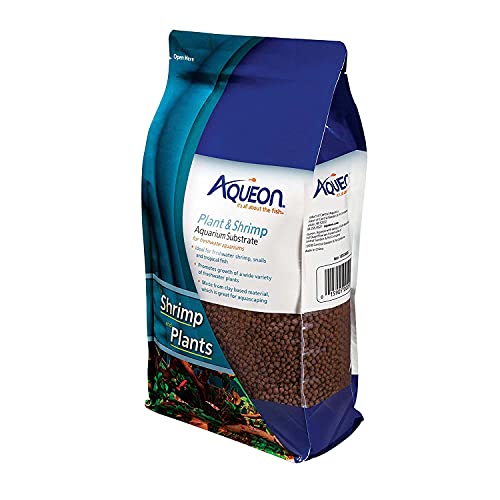
Aqueon Aqua Soil is a versatile substrate designed to support a wide range of freshwater plants, shrimp, snails, and tropical fish. Sold in a 5-pound bag, it provides a nutrient-rich medium that encourages robust root growth and better nutrient availability. This substrate helps stabilize the bottom layer, making it easier to establish rooted plants and a healthier substrate ecosystem in new tanks or when replanting.
While not a plant itself, Aqua Soil creates favorable conditions for plant propagation and growth, especially in low- to medium-light setups. It works well as a base layer under gravel or standard substrate and pairs with various plant types, from foreground grasses to taller background species. For beginners, it reduces the need for frequent soil amendments while supporting diverse tank inhabitants.
Amazon Sword Live Aquarium Plant

Amazon Sword (Echinodorus bleheri) is a classic, hardy live plant prized for its broad, arching leaves that create a dramatic focal point in mid to background zones. Native to South America, it commonly reaches 20–50 cm in height, helping to sculpt vertical interest in larger tanks. It benefits from a nutritious bottom substrate and regular pruning to prevent shading of smaller foreground plants. The species is reasonably undemanding and tolerates a range of lighting, though more light promotes more vigorous growth.
Whether used as a centerpiece or as part of a layered aquascape, Amazon Sword adapts well to community setups and aquarium sizes with proper pruning and spacing. While it can tolerate modest light, providing adequate illumination and periodically inspecting for excess algae will help maintain its lush appearance. It’s a reliable choice for hobbyists seeking a striking, natural look without complex care requirements.
Ameliade Plastic Aquarium Plant Set

Ameliade’s artificial plant decorations closely resemble real aquatic flora, providing a natural look without the care requirements of live plants. The leaves are soft and lifelike, reducing the chance of fish injury, while each piece sits on its own base to stay anchored in gravel or substrate. The set can be rearranged to craft hidden alcoves and midline structure, making it easy to customize the tank’s appearance day after day.
Plastic plants like these offer stability and year-round color without lighting, fertilization, or water parameter concerns. They are ideal for tanks with high maintenance constraints or for aquariums featuring fish that nibble at vegetation. Clean-ups are simple—rinsing with warm water between water changes keeps the decor looking fresh and attractive in any season.
AQUANEAT Purple Plastic Aquarium Plants

AQUANEAT’s purple plastic aquarium plants come in a 10-piece assortment with various shapes and lengths, allowing you to craft a colorful, dynamic layout. Each plant includes a stable base to prevent floating, helping you achieve a balanced appearance with minimal effort. The soft, lifelike leaves add visual interest without requiring light or nutrients, making them a strong option for beginner tanks or water-change focused setups.
These artificial plants stay vibrant year-round and are easy to clean, resisting decay and algae buildup. If many bubbles cling to the stems and cause buoyancy, a simple squeeze to release trapped air can restore proper positioning. They pair well with real plants in larger displays or serve as a low-maintenance alternative in smaller tanks where lighting is limited.
Buying Guide
Live plants vs. Artificial plants
Live plants actively contribute to aquarium health by absorbing nitrates and producing oxygen through photosynthesis. They require appropriate lighting, CO2 (in some setups), and a nutrient-rich substrate. Artificial plants require no lighting, nutrients, or pruning, delivering instant aesthetics but no ecological benefits. A mixed approach can provide a natural look with some easy-care pieces for busy setups.
Tank size, lighting, and substrate
- Live plants grow to fit tank dimensions; select species that match your tank height and width to avoid overcrowding.
- Lighting intensity and duration influence growth; low-light options like Amazon Sword suit smaller tanks, while tall varieties need brighter setups.
- Substrate choice affects root growth and nutrient availability; use nutrient-rich substrates for rooted plants or a plain substrate with root tabs for easier maintenance.
Maintenance and longevity
- Live plants require pruning, occasional fertilization, and consistent water parameters; expect ongoing care to maintain shape and health.
- Artificial plants demand minimal ongoing care—regular rinsing to remove algae and debris, with occasional reshaping for aesthetics.
Safety and compatibility
- Choose plant materials that are non-toxic and fish-safe; avoid sharp edges that could injure fins.
- Some fish nibble at plants; ensure decorations don’t have loose parts that could be ingested or cause blockages.
Aesthetics, placement, and aquascape goals
For a well-balanced look, layer plants in the background, midground, and foreground. Use taller specimens toward the back or center and shorter species in front to create depth. Floating plants can soften the midwater column, while foreground grasses build a lush carpet effect. Consider a mix of live focal points with artificial accents to maintain color and texture during varying light conditions.
Budget and availability
Live plants can vary in price based on species, size, and shipping conditions. Artificial plants generally cost less over time due to no fertilization or lighting requirements and may be more predictable in appearance. Availability often depends on seasonality and supplier stock, so planning ahead can help you assemble a cohesive aquascape.
Practical tips for beginners
- Start with one or two easy-care live species and add more as you gain experience.
- For live plants, avoid overcrowding; provide adequate space for growth and adequate light for photosynthesis.
- Regularly inspect for dead leaves and algae growth, removing debris to keep water quality high.
- When using artificial plants, secure strong pedestals or bases to prevent movement during water flow.