Best Head Harnesses for Dogs: Safe, Gentle No-Pull Solutions for Walks
Choosing the right head harness can dramatically improve walking safety and training results. This guide reviews five highly-rated options designed to help prevent pulling while keeping your dog comfortable and in control. Each product features padded components, adjustable fits, and training-oriented designs that suit medium to large dogs as well as smaller breeds.
| Product | Brand | Size | Type |
|---|---|---|---|
| BARKLESS Soft Dog Head Collar (L) | BARKLESS | Large | Head Collar |
| PetSafe Gentle Leader Headcollar (Medium) | PetSafe | Medium | Headcollar |
| Halti Headcollar (Size 3) | Halti | Medium | Headcollar |
| PetSafe Gentle Leader Headcollar (Large) | PetSafe | Large | Headcollar |
| BARKLESS Soft Dog Head Collar (Small) | BARKLESS | Small | Head Collar |
Customer-focused, no-pull head collars offer a humane alternative to choke collars, guiding a dog’s movement with minimal pressure. This selection highlights padded noses, adjustable straps, reflective features, and quick-fit design to support daily walks and training sessions.
BARKLESS Soft Head Collar, Large

The BARKLESS Large head collar combines patent-protected, gentle control with plush nose pads to reduce discomfort during walks and training. It helps redirect your dog’s attention, reducing pulling, jumping, and lunging. Quick-release snaps and an adjustable shoulder strap enable a fast, comfortable fit. A safety leash attachment adds an extra layer of security when outdoors.
PetSafe Gentle Leader Headcollar, Medium

The PetSafe Gentle Leader Headcollar for medium dogs offers pull-free training through a padded nose loop and an adjustable headcollar for a snug, secure fit. Its quick-snap neck strap simplifies on-and-off, making it suitable for daily walks and routine training. The design prioritizes comfort while guiding your dog away from pulling behaviors.
Halti Headcollar, Size 3

The Halti Headcollar uses gentle steering to stop pulling while remaining lightweight for daily wear. It features a padded neoprene nose band, allowing dogs to pant, drink, and eat comfortably. Reflective accents improve visibility during low-light walks, and a safety link enhances security when used with a leash.
PetSafe Gentle Leader Headcollar, Large, Charcoal
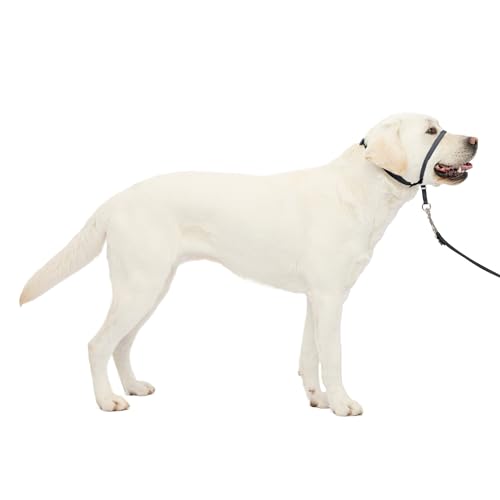
This large-size PetSafe Gentle Leader Headcollar helps redirect pulling through a padded nose loop and adjustable headpiece for a secure, comfortable fit. The quick-snap neck strap speeds up fitting, making it practical for daily walks and training sessions. The design emphasizes control without restricting breathing or panting.
BARKLESS Head Collar, Small

The BARKLESS small head collar provides a compact option for smaller breeds. It guides head movement to reduce pulling while ensuring safety through sturdy nylon construction and reflective webbing. The fit is adjustable, and users should measure snout and neck to select the correct size for optimal comfort and control. This model emphasizes safety during supervised walks and training.
Buying Guide: Key Considerations For Choosing A Head Harness
- Fit and sizing: Measure snout circumference and neck girth to choose the right size. Ill-fitting head collars can cause discomfort or defeat training goals.
- Comfort features: Look for padded nose ranges, soft internals, and breathable materials to prevent chafing or restricted panting.
- Control vs. comfort balance: A good head collar redirects attention without over-restricting movement. Ensure the design allows drinking, eating, and vocalizing when appropriate.
- Adjustability: Favor models with adjustable nose loops and straps for a personalized fit across growth or weight changes in dogs.
- Durability and safety: Check for strong hardware, reflective accents for visibility, and a secure leash attachment to reduce the risk of escapes.
- Training compatibility: Some collars pair with training methods and cues; consider brands offering step-by-step guidance and customer support.
- Breed considerations: Short-nosed breeds may require alternative training approaches; review size charts and breed recommendations before purchasing.
- Maintenance: Choose materials that are easy to clean and dry quickly after outdoor use or water exposure.
When selecting a head harness, compare padding quality, adjustability ranges, and the presence of safety features like reflective stitching and optional leash attachments. Consider starting with a mid-range size to evaluate comfort and then move to a different size if necessary. For dogs with sensitive snouts or anxiety around new gear, gradual acclimation and positive reinforcement can help improve acceptance and effectiveness of the harness.