Best Foods for Yorkies With Allergies: Gentle, Hypoallergenic Options for Relief
Yorkshire Terriers often contend with sensitive skin and digestive issues, including allergies to common protein sources and fillers. Selecting the right diet can help reduce itching, paw licking, and GI distress. This guide highlights five evidence-backed dog foods formulated for allergies and sensitive stomachs, with a focus on small-breed suitability, hydrolyzed proteins, grain-free options, and probiotic support. While nutrition varies by dog, veterinarians frequently recommend limited-ingredient recipes and healthy fats to support skin, coat, and overall wellness. Below, a quick product summary table and detailed sections of each recommended option are provided to aid informed decisions.
| Product | Brand | Key Benefit |
|---|---|---|
| Diamond Naturals Skin & Coat Salmon & Potato | DIAMOND NATURALS | Real salmon, skin and coat support; probiotic inclusion |
| Forza10 Dermo Allergy Dog Food | Forza10 | Allergy relief; hydrolyzed protein; gluten-free |
| P.S. For Dogs 100% Hypoallergenic | P.S. For Dogs, With Love | Hypoallergenic, grain-free; reduces skin issues |
| Victor Sensitive Skin & Stomach Grain Free | VICTOR | Grain-free; prebiotics and probiotics; no chicken |
| Diamond Care Grain-Free Formula | DIAMOND CARE | Hydrolyzed salmon; omega fats; probiotics |
DIAMOND NATURALS Skin & Coat Real Meat Recipe

Diamond Naturals Skin & Coat Real Meat Recipe Dry Dog Food with Wild Caught Salmon targets small-to-medium dogs with a focus on skin support and coat shine. The formula states that REAL SALMON is the #1 ingredient, providing high-quality animal protein that can minimize inflammatory responses tied to other protein sources. It is described as nutrient-rich, offering energy to thrive across life stages, with omega fatty acids for healthy skin and coat. The recipe also emphasizes vegetables and superfoods for vitamins and minerals, plus antioxidants to support immune health. Each serving includes species-specific K9 Strain probiotics to aid digestion and overall wellness.
The food is labeled as suitable for all life stages, from puppy to senior, which can be convenient for households with multiple dogs or ongoing diet stability. For Yorkies with allergies, the key considerations are the salmon-centric protein, skin-supporting fats, and the inclusion of probiotics. While small-dog palates often tolerate kibble in standard sizes, some owners may prefer to moisten the kibbles or use toppers to enhance palatability. The formula avoids artificial colors and flavors, aligning with common allergen-reduction strategies. Overall, this choice prioritizes skin and coat health along with digestive comfort, making it a solid option for some Yorkies sensitive to other protein sources.
- Real Salmon as #1 Ingredient
- Omega Fatty Acids For Skin & Coat
- Vegetables & Superfoods For Nutrition
- Probiotics For Digestive Support
- All Life Stages Formula
Yorkie owners should monitor for any GI upset or itching changes after transitioning and consult a veterinarian if allergies persist or worsen. This product provides a balance of protein, fat, and probiotic support that can complement a sensitivity-focused diet.
Forza10 Dermo Allergy Dog Food
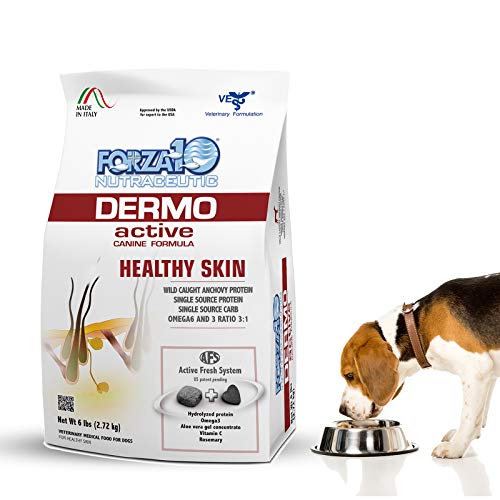
Forza10 Dermo Allergy Dog Food is formulated to support dogs with skin dryness and itching and features hydrolyzed fish protein designed to reduce immune reactions. It is described as rich in raw fish proteins, high in fiber, and omega-3 fatty acids. The formula is gluten-free and GMO-free, with no artificial colors or flavors, which can be advantageous for dogs with sensitivities. Hydrolyzed protein helps minimize allergen exposure, making this option appealing for Yorkies whose allergies are suspected to be food-related. The product also emphasizes overall health and wellness along with digestive comfort.
In practice, hydrolyzed protein fed as a core protein source can lessen intestinal and cutaneous inflammatory responses in some dogs. This option supports itchy skin relief and may be suitable for Yorkies who have reacted to common proteins like beef or chicken. As with any diet change, gradual transition is recommended to monitor tolerance. The grain-free composition can be beneficial if a grain sensitivity is suspected, though it is not a universal requirement for all allergy cases.
- Allergy-focused Formula
- Hydrolyzed Fish Protein
- Gluten- and GMO-Free
- No Artificial Colors or Flavors
Owners should work with a vet to determine if hydrolyzed protein aligns with their dog’s allergy profile and to plan a proper transition from current foods.
P.S. For Dogs 100% Hypoallergenic
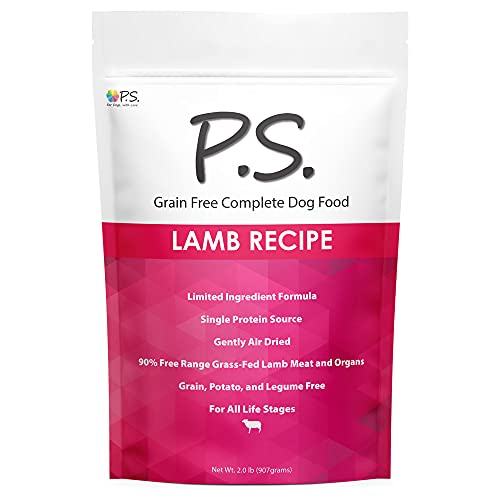
P.S. For Dogs 100% Hypoallergenic Dog Food is marketed as a hypoallergenic, grain-free option featuring New Zealand Lamb and other essential hypoallergenic ingredients. The formula emphasizes reducing paw licking, itching, redness, bumps, and foul odor through a limited-ingredient approach. It is described as grain-free, high-protein, and “air-dried,” which can create soft, flavorful morsels that are easier to digest for some dogs. The combination of lamb protein and limited ingredients aims to minimize exposure to common allergens while maintaining palatability for picky eaters.
Hypoallergenic, grain-free diets can be particularly appealing for Yorkies with delicate digestion or skin issues. However, “air-dried” processing can affect texture and moisture content, so owners may need to adjust hydration and porosity to suit their dog’s preferences. As always, a vet’s guidance is advised before adopting a new hypoallergenic regimen to ensure it meets your dog’s specific nutritional needs.
- Reduced Yeast Growth On Paws
- Human-Grade New Zealand Lamb
- Grain-Free, High Protein
- Air-Dried Formulation
For Yorkshire Terriers, this option may support skin comfort and overall wellness, especially for dogs with multi-symptom allergy signs. A careful transition is important to gauge taste acceptance and digestion.
VICTOR Super Premium Diet — Sensitive Skin & Stomach

VICTOR’s Sensitive Skin & Stomach Grain Free Lamb Meal & Sweet Potato Dry Kibble is designed with gluten-free grains and no chicken, catering to dogs with meat protein allergies. It emphasizes omega-3 and omega-6 fatty acids and Vitamin E to nourish a healthy skin and coat. The recipe also includes prebiotics and probiotics to support gut health and a robust immune system, which can be beneficial for dogs with digestive sensitivities. The primary protein source is lamb meal, a common allergen-friendly option for many dogs, with sweet potato providing digestible carbohydrates.
For Yorkies with sensitive stomachs, the blend aims to promote balanced digestion and coat condition while avoiding chicken-based proteins. The brand discloses clear protein sources and emphasizes transparency in ingredient labeling, a consideration many owners appreciate when managing allergies. As with any diet change, a gradual transition helps minimize GI upset and allows the dog to adjust to the new texture and flavor profile.
- Gluten-Free, No Chicken
- Omega 3 & 6 For Skin Health
- Prebiotics & Probiotics Support Digestion
- High-Quality Lamb Meal Protein
Small-breed dogs like Yorkies often benefit from the kibble’s texture and nutrient density, particularly when the diet supports skin, coat, and digestion in tandem with limited ingredients.
Diamond Care Grain-Free Formulation For Sensitive Skin

Diamond Care Grain-Free Formulation is a sensitive-skin focused dry dog food featuring hydrolyzed protein from salmon and added omega fatty acids. The inclusion of antioxidants (including Vitamin E) supports the immune system and skin health, while the probiotic elements aim to improve digestion and overall gut wellness. The grain-free profile appeals to dogs with grain sensitivities, and the hydrolyzed protein source can be advantageous for dogs with protein allergies or intolerances. This recipe is designed to be highly digestible and is marketed as a formula suitable for adult dogs with sensitive skin or allergies.
The small-breed market often favors hydrolyzed proteins and easily digestible ingredients, and this Diamond Care option aligns with those priorities. It may be a good fit for Yorkies who have shown adverse reactions to multiple protein sources, provided transition is gradual and monitored by a veterinarian.
- Hydrolyzed Salmon Protein
- Omega Fatty Acids For Coat Health
- Probiotics For Digestive Balance
- Guaranteed Antioxidants (Vitamin E)
Buying Guide
Key purchase considerations
When selecting a food for a Yorkie with allergies, owners should weigh protein source, digestion support, and skin health in equal measure. Hydrolyzed proteins reduce immune reactivity, which can help dogs with unknown or complex allergies. Limited-ingredient diets reduce exposure to potential triggers, while grain-free formulas may benefit dogs with grain sensitivities. Probiotics and prebiotics support a balanced gut microbiome, which in turn can influence immune responses and skin health. For small breeds, consider kibble size, texture, and the practicality of meals in busy households.
Protein source and allergen management
Common allergen triggers include chicken and beef proteins, along with grains in some cases. Several options in this guide feature salmon or lamb as primary proteins, with hydrolyzed or limited ingredients to minimize reactions. It’s important to observe your dog’s response during a transition period and consult a veterinarian if symptoms persist or worsen. Some dogs benefit from rotation among high-quality protein sources, but others do best with a consistent, hypoallergenic formula.
Skin, coat, and digestion support
Dietary fats such as omega-3 and omega-6 fatty acids support healthy skin and a shiny coat, especially important for Yorkies prone to dermatitis or dryness. Probiotics and prebiotics help balance digestion, which can influence stool quality and overall comfort. Look for foods that explicitly list these components and avoid artificial additives that can irritate sensitive dogs.
Life stage, size, and palatability
Yorkies may be puppies, adults, or seniors, so selecting a formula suitable for all life stages or specifically for small breeds can simplify feeding. Smaller kibble or moistened chunks improve ease of eating. Palatability matters for dogs with sensitive appetites; some hypoallergenic formulas include tastier proteins or texture variations to encourage consistent consumption without compromising allergy goals.
Transition, monitoring, and veterinary guidance
Any new diet should transition gradually over 7-10 days, blending increasing amounts of the new food with the current diet. Monitor for changes in itching, scratching, paw licking, stool consistency, or energy levels. If symptoms persist, re-evaluate the protein source or consider a veterinary-directed elimination trial to identify specific allergens. Budget, availability, and shipping options are practical considerations that influence long-term adherence to a hypoallergenic diet.
In practice, Yorkie owners may find success by combining a hydrolyzed-protein or limited-ingredient option with skin-and-coat-supporting fats and probiotics. The five products highlighted here offer a range of approaches—from hydrolyzed proteins and grain-free recipes to hypoallergenic, limited-ingredient formulas—allowing tailored decisions based on the dog’s specific allergy profile and lifestyle.