Best Floating Plants for Guppies: Top Picks for Safe, Colorful Tanks
Floating plants offer shade, surface coverage, and natural biofiltration that help reduce stress for guppies and their fry. They also create a dynamic, colorful backdrop in community tanks while improving water quality by absorbing excess nutrients. This guide highlights five Amazon products that best fit “floating plants for guppies,” blending easy, beginner-friendly options with effective filtration and habitat benefits. Each choice supports guppy health, reproduction, and hiding spots, while adding visual appeal to a thriving aquarium ecosystem.
| Product | Brand | Key Benefit |
|---|---|---|
| Water Spangle Salvinia Minima | Aquarium Plant Center | Low-light, floating cover; slows tank glare |
| Red Root Floaters | Aquarigram | Dense roots; nutrient uptake; visual contrast |
| Amazon Frogbit | Aquarigram | Multiple leaves; biofiltration plus shade |
| Ultimate Floating Plant Bundle | Shore Aquatic | Mix of duckweed, salvinia, and red root floaters |
| Guppy Grass (Najas Guadalupensis) | AzonAqua | Foster hideaways and grazing surfaces for fry |
Each product below includes a brief overview, surface-dloat characteristics, and practical notes for keeping guppies healthy. The sections are designed to help you compare growth rate, light needs, and maintenance, so you can tailor a floating plant setup to your tank size and guppy population.
Water Spangle Salvinia Minima Floating Plant

The Water Spangle Salvinia Minima is a compact, fast-growing floating plant ideal for guppy tanks with limited light. Its dense surface coverage provides shade for shy fry and reduces surface glare, helping guppies feel secure while foraging beneath the canopy. It’s well-suited for small to medium aquariums and thrives under low-to-moderate lighting. Salvinia helps absorb nutrients like ammonia and nitrates, contributing to improved water quality when paired with regular maintenance. This plant is supplied in a form that makes it easy to establish a noticeable floating mat quickly.
- Floating plant suitable for low-to-moderate light tanks
- Dense mats create hiding spots for fry
- Long-term nutrient uptake supports water quality
Note: Temperature fluctuations within the 60–85°F range are typical, and tank placement should avoid direct strong currents that could destabilize the floating mat.
Red Root Floaters For Dense Coverage

Aquarigram’s Red Root Floaters deliver a striking contrast with their red roots and vibrant Green leaves. With 30+ leaves per pack, these floating plants quickly establish a lush surface cover that helps regulate light exposure and provides essential shelter for fry. The robust root system also aids biofiltration by absorbing nutrients from the water column. These floaters are well-suited to medium-light tanks and can adapt to a range of guppy environments. A mystery bonus plant is sometimes included, increasing variety and appeal.
- Heavy leaf coverage promotes shading and safety for fry
- Red root system adds visual contrast
- Potential nutrient uptake of ammonia and nitrates
Pro tip: Avoid overcrowding by separating plants if the surface becomes too dense, which could impede gas exchange at the water surface.
Amazon Frogbit Floating Plant

Aquarigram’s Amazon Frogbit is a popular floating option with 20+ leaves, providing generous surface area for guppies’ play and cover. Its buoyant rosettes create natural shade while the roots dangle into the water, offering a feeding platform and additional filtration surfaces. This plant is known for adapting to a wide range of lighting but tends to flourish with moderate illumination. It also helps stabilize the tank’s microenvironment by absorbing nutrients and reducing nitrate buildup when maintained with regular water changes.
- Surface coverage supports fry safety and foraging behavior
- Roots provide habitat complexity and filtration potential
- Widely adaptable to various light levels
Maintain a light-to-moderate fertilization regime to support leaf growth without encouraging excessive algae growth.
Ultimate Floating Plant Bundle

The Ultimate Floating Plant Bundle from Shore Aquatic combines several floating powerhouses—duckweed, red root floaters, and salvinia—to create a diverse, multi-layered surface habitat for guppies. This bundle supports a natural water filter effect, with duckweed processing significant amounts of water, helping to manage turbidity and nutrient levels. It’s designed for ease of care, requiring no soil and minimal fertilization, and can thrive under simple lighting. The mix provides varying leaf textures and root structures that add interest to the tank while offering hiding places for fry and shy adults alike.
- Mixed floating plants provide surface diversity
- Duckweed acts as a biofilter in smaller systems
- Low-maintenance with simple light requirements
If your tank experiences occasional algae growth, this bundle’s varied leaf shapes can assist in light distribution and nutrient competition, helping to maintain a stable ecosystem for guppies.
Guppy Grass Najas Guadalupensis
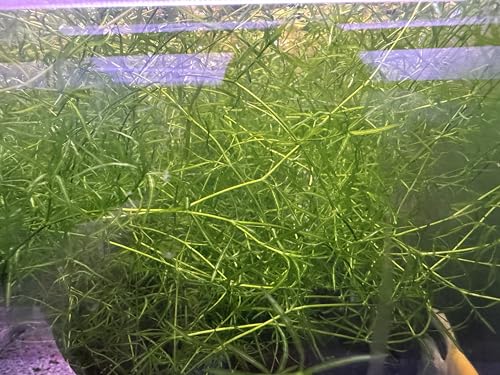
Guppy Grass (Najas Guadalupensis) provides a natural refuge for small fish and fry, promoting shelter and grazing opportunities in the same habitat. This 8-ounce cup is designed to establish a lush, upright carpet that can offer mid-water structure as well as surface shade. While not exclusively a surface-floating plant, guppy grass tends to contribute to a balanced tank by enhancing cover and foraging areas, which supports guppy wellbeing and breeding activity. It is a resilient starter plant for beginners, especially in tanks with modest lighting and stable temperatures.
- Dense growth creates hiding spaces for fry
- Bright green color adds natural vibrancy
- Fast-growing, beginner-friendly option
Keep an eye on temperature and light levels to avoid stress or slow growth, and trim as needed to maintain a comfortable balance with other tank inhabitants.
Buying Guide: Floating Plant Considerations For Guppy Tanks
- Light and growth: Floating plants often require low-to-moderate lighting. Some species grow quickly and need regular trimming to avoid shading other plants or crowding the surface. For guppies, moderate shade can reduce stress and protect fry from above, while still allowing enough light for photosynthesis in other tank decor.
- Surface coverage and gas exchange: A healthy surface cover helps reduce algae by limiting light penetration and enhances gas exchange. Avoid overloading the surface, which can impede oxygen diffusion, especially in densely stocked tanks.
- Nutrient uptake and filtration: Floating plants absorb ammonia, nitrite, and nitrate, contributing to water quality. Rapid growers like duckweed or salvinia can be particularly effective in smaller systems, while root-oriented floaters (like red root floaters) also help with nutrient removal through their root systems.
- Compatibility with guppy behavior: Guppies enjoy exploring, grazing, and hiding among plants. Floating mats create shade and security for fry/charmers, but ensure there is open swimming space and not all surfaces are fully blocked.
- Maintenance and propagation: Some floating plants reproduce quickly, requiring regular thinning. Consider a mix of species to balance maintenance with ecological benefits and visual variety in the tank.
- Tank size and layout: Very small tanks benefit from compact floating plants, whereas larger tanks can accommodate a diverse mix. Always consider the vertical space and current patterns to avoid displacing plants or hindering filter intake.
- Water chemistry and temperature: Most floating plants tolerate standard freshwater conditions, but temperature and pH can influence growth rates. Monitor tank parameters to align plant care with guppy health.
- Ethical sourcing and growth traits: Choose plants from reputable sellers with clear growth expectations, and inspect plants upon arrival for pests or damage before introducing them to the tank.
Across these options, the best choice depends on your tank size, lighting, and how much surface coverage you want. For beginners, a mixed bundle or a couple of easy-care floaters can provide immediate benefits for guppies, while more aggressive growers can be trimmed to maintain the balance over time. When combined with regular water changes and appropriate feeding, floating plants contribute to a healthier, more visually engaging home aquarium for your guppy population.