Best Fenbendazole for Cats Liquid: Top Picks for Safe at-Home Deworming
Choosing the right deworming solution for cats can be challenging, especially when searching for fenbendazole-based liquids. This guide highlights five cat-focused products that are commonly used for worm control, with a focus on active ingredients, palatability, and veterinarian-approved considerations. Each option is presented with its key features to help informed decisions for preventive care and treatment of common feline intestinal parasites.
Summary of selected products
| Product | Brand | Active Ingredient (if stated) | Format | Notable Features |
|---|---|---|---|---|
| Safe-Guard (Fenbendazole) Dewormer Liquid 125ml | SAFE-GUARD | Fenbendazole | Liquid | Broad-spectrum, includes multiple worm types; withdrawal warnings noted for animals intended for food products. |
| Liquid Cat & Kitten Dewormer for All Wormers | VivelysZoa | Pyrantel Pamoate | Liquid | Palatable vehicle (butterscotch flavor); targets roundworms and hookworms; suitable for cats and kittens. |
| GiarCidia Prazi for 60 MLS Liquid | Giarcidia | Praziquantel (tapeworm target) | Liquid | Tapeworm-focused; additional immune and digestive support mentioned; safe-seeming for pets. |
| Yakucho lvermect for Cat, Dewomax Liquid Digestive Support | Yakucho | Includes broad-spectrum ingredients | Liquid | Digestive support angle; cat-specific; daily maintenance potential. |
| Lvermect Liquid for Cats, Praziquat Dewomax | IVULTRA | Praziquantel (with ivermectin components implied) | Liquid | Kitten gut health; immune and digestive support emphasis. |
Note: The products listed above are presented for informational purposes and reflect the information provided in their product listings. Always consult a veterinarian before starting any deworming regimen, especially for kittens, pregnant or nursing cats, or if you have multiple pets.
Safe-Guard Fenbendazole Dewormer Liquid

Safe-Guard is a fenbendazole-based oral drench marketed for cattle, with a note on withdrawal times for meat and dairy products. It is listed here because fenbendazole is the primary active ingredient and can be used in some veterinary contexts for small animals when appropriately dosed under veterinary guidance. Key considerations include proper dosing, withdrawal requirements, and suitability for felines. This product highlights the importance of following label directions and consulting a veterinarian before feline administration to avoid adverse effects or improper dosing.
Liquid Cat & Kitten Dewormer for All Wormers
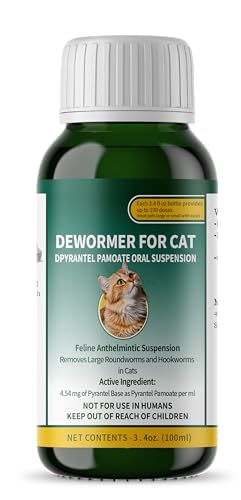
This product uses pyrantel pamoate to address large roundworms and hookworms in cats and kittens. The palatable butterscotch vehicle aims to improve acceptance in felines, which can be a sales point for households with picky eaters. Consideration points include assessing the cat’s weight for accurate dosing and monitoring for any digestive upset after administration. Pyrantel-based products are common for treating intestinal worms in cats, but they may not cover tapeworms unless paired with other agents.
GiarCidia Prazi for Tapeworms

GiarCidia offers a praziquantel-based liquid intended to combat tapeworms in dogs and cats, with additional notes on immune and digestive benefits. Praziquantel is the standard choice for tapeworm treatment, but sole reliance on praziquantel may not address other common intestinal worms. As with any dewormer, correct dosing by weight and veterinary approval are essential to ensure safety and effectiveness in cats.
Yakucho lvermect for Cat, Dewomax

Yakucho’s product emphasizes a cat-focused liquid formula designed for digestive balance and general wellness, with claims of internal cleansing support. While broad-spectrum claims are common in pet deworming formulations, it is important to confirm the specific parasite targets and approved usage with a veterinarian. This option may serve as a supplementary digestive support alongside primary deworming measures when advised by a vet.
Lvermect Liquid for Cats, Praziquat Dewomax

This product combines praziquantel with other deworming components, highlighting kitten gut health and immune support. The liquid format aims for easy administration, particularly for younger cats. When using praziquantel-based therapies, veterinarians typically assess parasite burden and animal weight to determine appropriate dosing and treatment intervals. Always follow label directions and veterinary guidance for safe use in felines.
Buying Guide: Key Purchase Considerations For Cat Deworming Liquids
- Active ingredients and parasite targets: Fenbendazole, pyrantel, praziquantel, and other components each target different worms. Determine which parasites are of concern for your cat and choose a product accordingly, ideally under veterinary guidance.
- Species safety and dosage: Cats metabolize drugs differently from other animals. Confirm feline-specific labeling or veterinary instruction. Do not administer livestock-focused formulations to pets without professional advice.
- Palatability and administration: Liquid dewormers vary in taste and texture. Flavored vehicles can improve acceptance for finicky cats, reducing stress during dosing.
- Weight-based dosing: Accurate dosing depends on the cat’s weight. Use a dosing syringe or dropper as directed and recheck weight if there’s significant change.
- Safety warnings and withdrawal considerations: Some products carry restrictions for food-producing animals or specific withdrawal times. While this is less common for pets, read labels carefully to avoid unintended consequences.
- Duration and follow-up: Some infections require repeat dosing or combination therapy. Adhere to the recommended schedule and monitor for symptom changes or adverse reactions.
- Veterinary supervision: Deworming in cats, especially kittens or cats with comorbidities, should be performed or approved by a veterinarian to ensure safety and effectiveness.
In summary, selecting a fenbendazole-based option or an appropriate liquid dewormer for cats involves weighing parasite coverage, dosing accuracy, palatability, and veterinary guidance. This guide presents options with a range of active ingredients and target worms to help inform a discussion with your veterinarian about the best deworming plan for your cat.