Best Elk Meat for Dogs: High-Protein Treats and Topters for Healthy Pets
Elk-based dog treats offer lean protein, limited ingredients, and natural flavor that many dogs respond to positively. This guide highlights five top elk-focused products, sharing what makes each a strong choice for training, daily snacks, or special meals. Learn how elk meat can fit into sensitive stomachs, weight management, or muscle maintenance, plus practical tips for serving and storage.
| Product | Brand | Format | Key Benefit |
|---|---|---|---|
| MOUNTAIN WILD Venison Jerky Training Treats – Elk & Deer | MOUNTAIN WILD | 8 oz | All-natural protein for high-value rewards |
| KOHA Raw Life Freeze-Dried Topper Elk & Venison | KOHA | 8 oz | Raw protein topper with probiotics |
| Gaines Family Farmstead Elk Chips for Dogs | GAINES FAMILY FARMSTEAD | 4 oz | Single-ingredient, grain-free chew |
| 100% Natural Elk Jerky Dogs Treats (Sancho & Lola’s) | Sancho & Lola’s Closet | 12 sticks | Lean protein, no fillers |
| Gaines Family Farmstead Elk & Sweet Potato Fillets | GAINES FAMILY FARMSTEAD | 6 oz | Grain-free, limited ingredients |
These selections emphasize elk as a primary protein, avoiding common fillers and artificial additives where possible. They span jerky treats, meal toppers, and single-ingredient chews to accommodate varied dog diets, from active athletes to dogs with sensitive stomachs. Each product is sourced with safety and canine nutrition in mind, offering options for training, daily snacks, or special dietary needs.
Mountain Wild Venison Jerky Training Treats – Elk & Deer

These jerky training treats are made from 100% wild elk and deer meat, with no fillers or preservatives. The product emphasizes natural sourcing and ethical ingredients, aiming to support canine health through a protein-forward profile. Enriched with bone meal, the treats offer added calcium to support bones, joints, and overall movement. They are grain-free and devoid of artificial additives, making them suitable for active dogs and puppies in growth phases. This makes them a strong option for high-value rewards during obedience training or long hiking sessions.
KOHA Raw Life Elk & Venison Topper
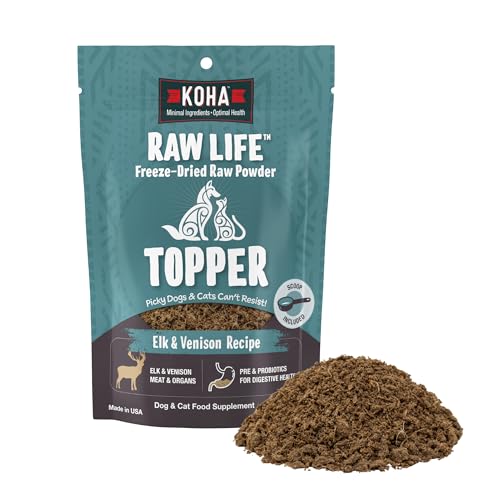
This freeze-dried raw topper adds protein without a heavy meal change. Aimed at picky eaters, it provides probiotic support for digestion while avoiding common fillers like peas or potatoes that can cause sensitivities. Its minimal-ingredient profile appeals to dogs with sensitive stomachs, and the topper format makes it easy to mix into existing meals for a protein boost. The combination of elk and venison aligns with dog diets that benefit from novel proteins, potentially reducing allergic reactions.
Gaines Family Farmstead Elk Chips for Dogs

These single-ingredient elk chips are grain- and gluten-free, designed for dogs with sensitive stomachs or food allergies. The high-protein, low-calorie profile supports weight management and muscle maintenance. Air-drying preserves protein and natural enzymes, offering a nutrient-dense chew with a straightforward ingredient list. They break into pieces easily, making them versatile as training bites or daily snacks for dogs of all sizes.
100% Natural Elk Jerky Dogs Treats (Sancho & Lola’s)

Sancho & Lola’s Jerky sticks are made with 100% USA elk meat and are packaged in a 12-stick format. They offer a lean protein option without artificial preservatives or fillers. Refrigeration after opening is recommended due to moisture content. This product is well-suited for training rewards but also as an occasional snack for dogs needing a protein-rich option. The all-American sourcing strengthens confidence for pet parents prioritizing domestic ingredients.
Gaines Family Farmstead Elk & Sweet Potato Fillets

These Elk & Sweet Potato Fillets combine real elk with natural sweet potato to deliver a savory, fiber-rich treat. The recipe is grain-free and uses a limited ingredient approach, which is ideal for dogs with sensitive stomachs or food allergies. Sweet potatoes contribute fiber and essential vitamins, while elk provides lean protein for muscle support and energy. Suitable for dogs of varying sizes, the soft chews can act as a daily reward or a special occasional snack that supports gut health and digestion.
Buying Guide: Key Purchase Considerations
- Protein source and variety: Elk-based products can be single-ingredient or mixed with other meats. For dogs with food sensitivities, opt for limited-ingredient or single-protein options.
- Texture and format: Jerky, chips, and toppers provide different experiences for dogs. Training rewards often benefit from small, easily breakable pieces, while toppers add flavor to meals without altering nutrition significantly.
- Allergens and fillers: Look for grain-free options and avoid fillers like peas or potatoes if your dog has sensitivities. Minimal ingredient lists generally indicate fewer potential irritants.
- Sourcing and processing: Ethically sourced elk, USA production, and minimal processing are good indicators of quality. Freeze-dried or air-dried methods help preserve protein and nutrients.
- Calcium and bone health: Some treats include bone meal or calcium enrichment to support joints and bones, especially helpful for puppies or highly active dogs.
- Storage and shelf life: Jerky and puffed snacks often require proper storage. Refrigeration after opening may be necessary for some products, while others are shelf-stable.
- Size, breed fit, and feeding frequency: Choose portions appropriate for your dog’s size and daily caloric needs. High-value rewards should be portion-controlled to prevent overfeeding.
- Allergies and sensitivities: Probiotics in toppers can aid digestion, while some dogs may react to novel proteins differently. Start with small amounts to monitor tolerance.
When selecting elk-based treats, consider your dog’s health goals, whether training, digestion, or weight management is the priority. The options listed here provide a range of textures, ingredient lists, and formats, all tailored to dogs with varying needs—while keeping elk as the central protein. Consistent use, appropriate portioning, and monitored reactions will help maximize benefits.