Best Ducks for Eggs and Meat: A Practical Guide to Choice and Care
Raising ducks for eggs and meat blends nutrition, flavor, and practical farming. This guide highlights five products that support productive backyard duck operations, from meat-ready duck breast to egg-laying nutrition and simple egg storage. Each item is selected to help improve egg yield, meat quality, and farm efficiency. A quick summary table follows, with notes on each product’s role in a duck-raising operation.
| Product | Role | Notes |
|---|---|---|
| Duck Breast | Meat production | Quality source of duck meat; hormone- and antibiotic-free |
| Manna Pro Duck Layer Pellet | Egg production | Non-medicated with probiotics for digestion |
| HavRixor Jumbo Duck Egg Cartons | Egg storage | 20-pack, stackable, recycled paper cartons |
| Sibosen Jumbo Duck Egg Cartons | Egg storage | Eco-friendly, secure flip-top design |
| Fox Peak Duck Hatching Eggs | Eggs and incubation | Barnyard mix duck eggs for hatching |
Duck Breast—Premium Duck Meat

Duck Breast represents a dependable meat option for backyard flocks and small farms. The product is described as meeting animal welfare standards and is free from growth hormones and antibiotics, with feed that contains no animal by-products. This aligns with producers seeking transparent, high-quality duck meat for home meals or local markets.
- Meets animal welfare and feed standards
- No added growth hormones or antibiotics
- No animal by-products in feed
Best prepared by searing or roasting to maximize tenderness and flavor.
Manna Pro Duck Layer Pellet
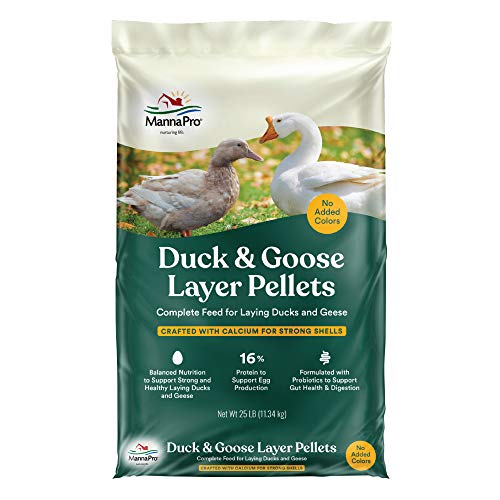
Designed to support egg production in ducks, this pellet feed is formulated with non-medicated ingredients and probiotics to aid digestion. It emphasizes high-quality protein to sustain laying ducks and provides essential nutrients that support healthy eggs without relying on antibiotics.
- No antibiotics: non-medicated formula
- Supports increased egg production
- Includes probiotics for digestive health
Suitable for backyard flocks seeking steady, reliable egg output.
HavRixor Jumbo Duck Egg Cartons

These cartons are designed for storing jumbo eggs, including duck eggs, with stackable, easy-to-count packaging. Made from recycled paper, they offer good moisture absorption to keep eggs dry and fresh, and their packaging is strong enough to withstand transport and handling in markets or at home.
- Jumbo-capacity cartons for large eggs
- Moisture-absorbing recycled paper
- Includes 20 cartons with a simple buckle for security
Ideal for farmers and households that frequently harvest extra-large eggs from ducks.
Sibosen Jumbo Duck Egg Cartons

These cartons offer versatility for different egg sizes and are made from recyclable paper pulp. They provide excellent moisture absorption and breathability to protect eggs during transport and storage, with cushioned construction to prevent damage during handling.
- Holds up to 6 eggs per carton
- Eco-friendly paper pulp material
- Secure flip-top design with clasp
Best used for farm-to-table operations or farm markets where duck eggs are sold in bulk.
Duck Hatching Eggs, 6-Pack

Fox Peak’s duck hatching eggs present a barnyard mix of duck eggs suitable for incubation in backyard hatcheries. This selection is relevant for breeders seeking to grow a duck flock through natural reproduction or controlled incubator environments. Availability and hatch viability depend on breeding stock and incubation conditions.
- BARNYARD MIX duck eggs for hatching
- Suitable for backyard incubators and hatcheries
- Supports a diverse duck flock through easy provisioning of eggs
Used by hobby breeders and small farms aiming to expand their duck population through reliable hatchery options.
Buying Guide
Egg production goals
Consider whether your primary aim is higher egg yield, larger duck eggs, or more consistent production year-round. Diet, housing, and flock genetics play large roles. Choose feeds that support laying ducks with balanced protein, minerals, and probiotics when possible.
Meat quality considerations
For meat, focus on ducks bred for favorable meat-to-fat ratios and flavor. Look for products that emphasize natural feeding, welfare standards, and absence of unnecessary additives. Proper processing and handling also affect meat quality and safety.
Feeding and nutrition
Nutritious feed supports egg production and overall flock health. Non-medicated formulas, probiotics, and appropriate protein levels help maintain strong laying ducks. Avoid feeds with unnecessary hormones or antibiotic residues when possible and consult a vet or extension agent for breed-specific guidance.
Egg storage and handling
Durable egg cartons and proper storage reduce breakage and spoilage. Choose cartons that fit your egg sizes and provide moisture protection. Labeling and a clean harvest process help keep eggs safe for market or home use.
Hatching eggs and incubation readiness
Hatching eggs require careful handling, clean incubators or brooders, and appropriate humidity and temperature. Barnyard mix eggs can introduce diversity, which may affect hatch rates. Ensure you have a plan for candling, incubation timing, and brooding to optimize outcomes.
Welfare, standards, and sourcing
Prioritize products from suppliers that emphasize animal welfare, antibiotic stewardship, and transparent feeding practices. For eggs, verify freshness and storage practices. For meat and poultry products, look for clear sourcing information and certifications when available.