Best Dry Dog Food for Small Dogs With Allergies: Top Picks for 2025
Choosing the right dry dog food for a small dog with allergies can be challenging. The right formula should support sensitive digestion, reduce itchy skin, and fit the bite-sized needs of small breeds. The five options below are among the most commonly recommended by veterinarians for allergy-prone, small-breed dogs. They emphasize limited ingredients, hypoallergenic or highly digestible proteins, grain-free or limited-ingredient profiles, and probiotic or prebiotic support where available. Each option is suitable for small dogs, with kibble sizes designed for smaller jaws and easier eating. Use this guide to compare options side by side and select the best fit for your dog’s needs.
| Product | Brand | Allergy Focus | Key Ingredient Spotlight |
|---|---|---|---|
| Hill’s Science Diet Sensitive Stomach & Skin Small Breeds | Hill’s Science Diet | Stomach & Skin Sensitivity | Prebiotic fiber; Omega-6s; Vitamin E |
| Natural Balance Limited Ingredient Small Breed Salmon & Sweet Potato | Natural Balance | Limited Ingredient; Grain-Free | Salmon as first protein |
| Forza10 Dermo Allergy Dog Food | Forza10 | Allergy Relief; Itching | Hydrolyzed fish protein |
| Purina Pro Plan Sensitive Skin & Stomach Small Breed | Purina Pro Plan | Skin & Digestive Health | Real salmon; Probiotics |
| Nature’s Recipe Grain Free Small Breed Chicken, Sweet Potato & Pumpkin | Nature’s Recipe | Grain-Free; Small Breed | Real chicken; Sweet potato & pumpkin |
Hill’s Science Diet Sensitive Stomach & Skin For Small Breeds

Hill’s Science Diet Sensitive Stomach & Skin for small and mini breeds combines digestible ingredients with targeted skin support. The formula emphasizes stomach-friendly nutrition and a coat-friendly profile. A key feature is the inclusion of prebiotic fiber meant to fuel beneficial gut bacteria and support a balanced microbiome. Omega-6s and Vitamin E help maintain a healthy coat, which can be a common concern for dogs with skin sensitivities. The smaller kibble size is designed to be easier for small mouths to chew and swallow, reducing gulping and promoting steady eating habits.
The product is positioned for dogs showing signs of digestive upset or skin issues related to allergies. When introducing any new diet, a gradual transition over 7–10 days is advised to minimize digestive disruption. This option is especially relevant for small dogs with concurrent stomach and skin sensitivity, and it benefits from veterinary-aligned nutrition research. As with any diet change, monitor stool quality, coat condition, and energy levels over the first several weeks to evaluate effectiveness.
- Precise balance for sensitive stomachs
- Prebiotic fiber supports gut microbiome
- Omega-6s and Vitamin E promote a healthy coat
Natural Balance Salmon & Sweet Potato Small Breed Grain-Free

Natural Balance Limited Ingredient Small Breed Adult Grain-Free Dry Dog Food focuses on a simplified ingredient list designed for dogs with sensitivities. Salmon is the first animal protein, providing essential amino acids to support muscle maintenance. Sweet potatoes offer a grain-free fiber source to aid digestion, while the product emphasizes a single animal protein source and excludes added grains, soy, gluten, and artificial colors or flavors. The small-breed formula mirrors the same nutritional philosophy in a package sized for smaller dogs, with a kibble shape that fits small jaws and supports easier eating for picky eaters.
This recipe is crafted with sensitivity in mind, highlighting a streamlined ingredient panel that can help reduce exposure to common allergens. For owners seeking a straightforward diet for a dog with digestive or skin concerns, this option provides a practical balance of protein adequacy and digestible carbohydrates. Always allow a transition period and observe stool consistency, energy, and coat condition during the first weeks on the new food.
- Salmon as the first protein source
- Grain-free formula supports digestion
- Small-breed friendly kibble size
Forza10 Dermo Allergy Dog Food
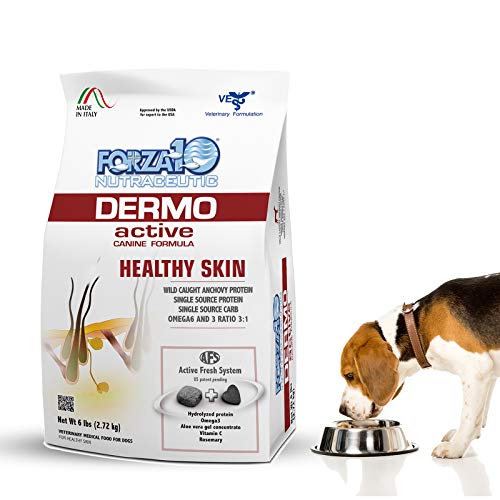
Forza10 Dermo Allergy Dog Food is formulated to address skin allergies and itching linked to food sensitivities. It features fish-based proteins with hydrolyzed components to reduce the likelihood of an immune reaction. The recipe emphasizes omega-3 fatty acids and fibers to promote skin health and digestion. The absence of GMOs, gluten, artificial colors, and flavors aligns with common allergy-management strategies. Hydrolyzed protein can be a critical option for dogs with a history of gastrointestinal or immune-mediated reactions to standard proteins, improving digestibility and tolerability for some dogs.
Ideal for adult dogs of all breeds with dermatitis or food-related itching, this diet is designed to minimize allergen exposure while supporting overall wellness. As with other therapeutic diets, a gradual transition is recommended. Owners should monitor changes in itchiness, skin condition, stool quality, and energy levels over several weeks to determine whether the hydrolyzed protein approach is effective for their dog.
- Hydrolyzed fish protein reduces allergen exposure
- Allergen-relief focus without GMOs or gluten
- Omega-3 fatty acids support skin and coat health
Purina Pro Plan Sensitive Skin & Stomach Small Breed

Purina Pro Plan Sensitive Skin and Stomach Small Breed pairs high-quality protein with probiotic support to aid digestion and immunity. Real salmon is listed as the first ingredient in this formula, helping to support muscle maintenance and palatability for small, active dogs. The product is fortified with guaranteed live probiotics to support digestive and immune health, which can be beneficial for dogs with sensitive stomachs who also have skin concerns. The kibble is sized for small breeds, making it easier to chew and digest for many dogs with dental or jaw considerations.
Owners evaluating this option should consider the potential benefits of probiotics plus the high-quality protein source in promoting a healthier coat and better digestion. As with any dietary change, monitor stool texture, skin condition, and energy levels over several weeks. This diet is a solid choice for small dogs facing both digestive discomfort and sensitive skin symptoms when a balanced protein-forward formula with probiotic support is desired.
- Real salmon as the first ingredient
- Probiotics for digestive and immune health
- High protein profile suitable for active small dogs
Nature’s Recipe Grain Free Small Breed Chicken, Sweet Potato & Pumpkin

Nature’s Recipe Grain Free Small Breed Dry Dog Food centers on grain-free nutrition with real chicken as the first ingredient, along with sweet potato and pumpkin to support digestion and overall wellness. This small-breed formula aims to provide easily digestible protein while avoiding grains that can trigger sensitivities in some dogs. The inclusion of pumpkin offers fiber support, which can help maintain steady stool quality. This option is designed to be palatable for small dogs while delivering essential vitamins and minerals for daily maintenance.
The grain-free approach can be a favorable option for dogs with grain sensitivities or those who respond well to limited carbohydrate sources. The smaller kibble size is compatible with the bite-sized needs of small breeds and can contribute to easier chewing and acceptance by picky eaters. As always, introduce any new food gradually and monitor comfort, stool, and coat condition over several weeks to determine if the diet meets your dog’s allergy-management goals.
- Grain-free formula supports sensitive digestion
- Real chicken is the first ingredient
- Includes sweet potato and pumpkin for fiber and nutrients
Buying Guide
Allergy management considerations are central to choosing dry food for small dogs. Start by identifying whether your dog’s sensitivities are primarily digestive, dermal, or a combination of both. Limited-ingredient formulas can reduce exposure to potential allergens, while hydrolyzed-protein options minimize immune reactions. Small-breed formulas should feature appropriately sized kibble to aid chewing and portion control, which matters when managing calorie intake for petite dogs.
- Protein source selection: Consider fish- or poultry-based proteins, and be mindful of potential allergies to specific ingredients like chicken or salmon. Hydrolyzed protein formulas may be appropriate for dogs with suspected complex food allergies.
- Carbohydrate profile: Grain-free formulas can reduce certain sensitivities, but some dogs tolerate grains well. If your dog has a grain allergy, opt for grain-free or limited-ingredient options; otherwise, choose a balanced carbohydrate source that matches energy needs.
- Digestive support: Look for prebiotics or probiotics to support gut health. Fiber sources like sweet potato, pumpkin, and beet pulp can aid stool quality and fullness between meals.
- Dermal benefits: Omega-3 and Omega-6 fatty acids plus vitamin E support skin and coat health, which can alleviate itchiness and dryness related to allergies.
- Kibble size and palatability: Small breeds benefit from smaller kibble and palatable flavors. If your dog is a picky eater, consider formulations with real protein as a first ingredient and a texture that holds flavor well.
- Feeding strategy: Transition gradually over 7–10 days to minimize digestive upset. Monitor stool consistency, skin condition, coat shine, energy, and weight during the transition.
- Veterinary guidance: For dogs with persistent or severe allergy symptoms, consult a veterinarian to determine whether a therapeutic diet or a veterinary-prescribed protein source is appropriate.
- Storage and freshness: Keep bags sealed, store in a cool, dry place, and use contents before the expiration date to preserve nutrient integrity.
These considerations help balance allergy relief with complete, balanced nutrition for growing and adult small dogs. When evaluating options, prioritize products with transparent ingredient lists, clear allergen statements, and bite-sized kibble designed for small breeds. While no single option fits every dog, the five choices above provide a spectrum of allergy-focused profiles—ranging from limited-ingredient and grain-free formulas to probiotic-rich and hydrolyzed-protein diets—allowing you to compare and tailor care to your dog’s unique needs.