Best Chlorhexidine Solutions for Dogs: Top Creams and Sprays for Skin Care
Chlorhexidine remains a trusted antiseptic for canine skin concerns, helping to reduce infection risk while soothing irritated areas. This guide highlights five top chlorhexidine-based products for dogs, covering creams, sprays, and medicated ointments. Each option prioritizes veterinary guidance, skin health, and user practicality, enabling dog owners to choose a solution that fits their pet’s needs. Below, you’ll find quick product summaries and a buying guide to compare formulations, strengths, and usage contexts.
| Product | Form | Key Benefit | Notable Note |
|---|---|---|---|
| TropiClean HomeVet Medicated Cream | Cream | Vet-strength itch relief, hot spots | Includes hydrocortisone and lidocaine |
| Douxo S3 Pyo Mousse | Mousse | 3% chlorhexidine with Ophytrium for barrier support | Hydrating, soap-free, pet-safe for dogs |
| Vetnique Dermabliss Chlorhexidine Spray | Spray | 2% chlorhexidine with antimicrobial support | Vet-strength formula |
| Chlorhexidine 2% for Horses & Dogs (Durvet) | Liquid (gallon) | Broad antibacterial coverage | Large-volume option |
| Davis 2% Chlorhexidine Ointment | Ointment | Soothing antiseptic for wounds | Emollients included |
TropiClean HomeVet Medicated Cream

This medicated cream provides vet-strength relief for canine itching and hot spots. The formulation targets itching, redness, and inflammation on contact and includes hydrocortisone and lidocaine to quickly ease pain and itch. It is designed for use on irritated skin, bites, scrapes, yeast infections, hot spots, and wounds, offering a fast-acting topical option for acute skin concerns. The product emphasizes veterinary-grade efficacy and USA-made production for consumer confidence.
Douxo S3 Pyo Mousse
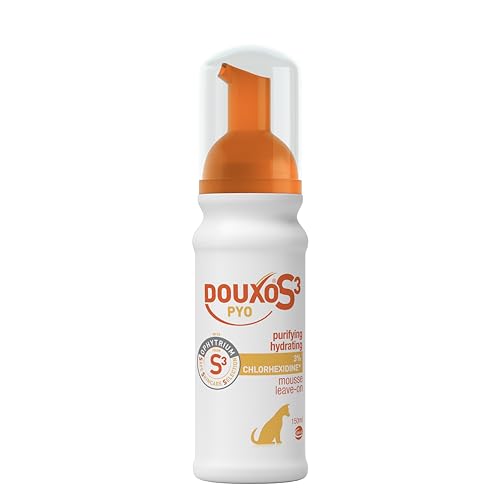
Douxo S3 Pyo Mousse combines 3% chlorhexidine with 0.5% ophytrium to address bacterial and yeast skin infections while supporting the skin’s barrier. This mousse is described as non-soap, non-paraben, and free from dyes and nanoparticles, making it suitable for sensitive canine skin. It is positioned as a premium, veterinarian-recommended option for dogs with persistent infections or dermatitis that require antiseptic care plus barrier-supportive ingredients. It’s not intended for use on cats.
Vetnique Dermabliss Chlorhexidine Spray
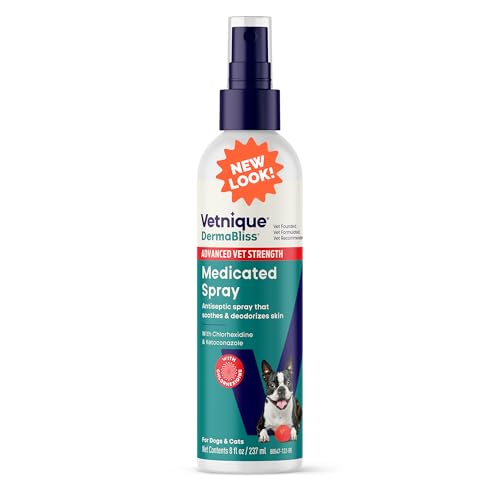
Dermabliss is a veterinary-strength spray featuring 2% chlorhexidine and 1% ketoconazole, designed to target skin infections and irritations, including hot spots and redness. The spray formulation allows easy, even application without direct rubbing. The combination of antiseptic and antifungal agents aims to address mixed infections common in dogs with dermatitis, offering a broad-spectrum approach for ongoing skin care. It emphasizes quick cleansing and soothing effects suitable for regular maintenance.
Chlorhexidine 2% for Horses & Dogs (Durvet)

This 2% chlorhexidine solution is presented as an antibacterial aqueous cleaning product suitable for superficial cuts, abrasions, and insect stings on both horses and dogs. It promises residual antiseptic protection for up to two days, making it a practical option for households with multiple pets or for dogs prone to recurring skin microtrauma. It should be used for surface wounds and skin irritations while avoiding puncture wounds or severe burns.
Sulfodene Dog Wound Care 3-Way Ointment
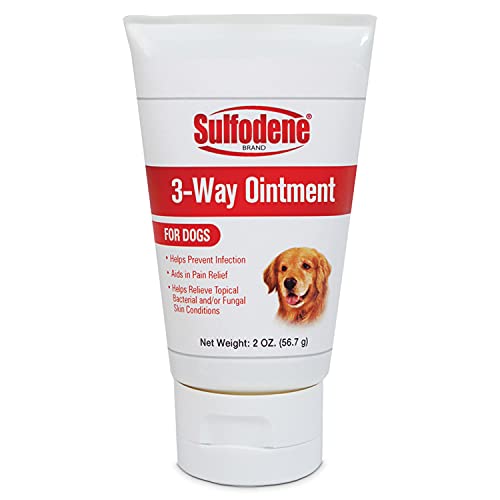
This ointment focuses on pain relief and infection prevention for dog wounds, cuts, and scrapes. It provides a protective barrier against germs and flies and is marketed as an affordable option to support healing. While not exclusively chlorhexidine-based, its antiseptic properties and wound-care focus make it relevant for dogs with superficial skin injuries and minor irritations where antiseptic action is beneficial.
Nootie Medicated Dog Wipes

These medicated wipes combine 2% chlorhexidine gluconate with 2% miconazole nitrate to target ear and skin infections. They’re suitable for on-the-go cleansing and spot treatment for hotspots, dermatitis, and ringworm, offering a convenient, portable option for owners who need quick antiseptic relief between baths or vet visits. The wipes are designed for both dogs and cats and emphasize pet-friendly formulation without parabens or harsh additives.
Davis 2% Chlorhexidine Ointment

This 2% chlorhexidine ointment is designed for soothing minor skin irritations and wounds. Emollients in the formula help calm and protect irritated skin, with guidance to apply around surface wounds, sores, hot spots, and skin folds. It’s suitable for daily topical care in addition to antiseptic cleansing, while advising avoidance of puncture wounds and severe burns. This option is straightforward for routine wound management in dogs.
Buying Guide: Key Purchase Considerations and Comparisons
- Infection type and skin condition: For active infections with itching, medicated creams or sprays that include antifungal or anesthetic components (e.g., lidocaine, ketoconazole) may be beneficial in addition to chlorhexidine.
- Formulation and ease of application: Sprays can be convenient for large or hard-to-reach areas, while creams and ointments allow targeted spot treatment and longer contact time.
- Concentration: Standard veterinary options commonly use 2% chlorhexidine; higher concentrations may be more potent but could increase irritation risk in sensitive dogs. Always follow label directions.
- Pet safety and species specificity: Some products are labeled for dogs, others for horses or mixed-use with caution (cats may have different tolerances). Avoid products not intended for dogs when possible.
- Hydration and skin barrier support: Ingredients like ophytrium or lactic acid can help maintain skin moisture and barrier function, potentially improving comfort during treatment.
- Volume and storage: Larger volumes (e.g., gallons) are cost-effective for multi-pet households or ongoing treatment; smaller tubes or wipes offer portability for travel or quick touch-ups.
- Veterinary guidance: For persistent, severe, or crusted infections, consult a veterinarian for diagnosis and a treatment plan, as some conditions may require prescription therapy.
- Usage duration and follow-up: Monitor skin response over 7–14 days. If symptoms worsen or fail to improve, discontinue use and seek veterinary advice.
- Allergy and sensitivity checks: Patch-testing a small area before full application can help detect adverse reactions, especially for dogs with sensitive or compromised skin.