Best Chickens for Small Spaces: Top Guides and Coops for Urban Flocks
Keeping a flock in a compact footprint requires careful planning and reliable resources. This article highlights five authoritative books and projects that address chicken keeping in tight spaces—from city yards to small suburban lots—and shows how to maximize space, shelter, and welfare without sacrificing productivity. Each pick approaches space-efficient poultry care from a different angle—coops, breeds, construction projects, and holistic homesteading—so readers can tailor a plan to their unique lot and climate. The following overview pairs practical guidance with concrete plans you can implement in confined environments.
| Product | Brand | Type | Focus |
|---|---|---|---|
| Keep Chickens In Small Spaces | Storey Publishing | Book | Urban flock care and space-smart coops |
| The Backyard Homestead Guide To Raising Farm Animals | Storey Publishing | Book | Breeds for small-space farming and integrated homesteads |
| Chicken Coops: 45 Building Ideas | Storey Publishing | Book | Coop designs for small yards |
| The Homesteading Handbook | Skyhorse | Book | Back-to-basics poultry care within broader homesteading |
| 40 Projects for Building Your Backyard Homestead | Fox Chapel Publishing | Book | DIY projects including chicken housing and fencing |
Keep Chickens In Small Spaces

Keep Chickens In Small Spaces, from Storey Publishing, targets urban and suburban keepers working within tight footprints. The guide emphasizes space-saving coop layouts, compact feeding and watering stations, and routines that fit into a busy city life. It covers site planning for urban yards, noise considerations, and neighborhood relations, helping keepers stay compliant while maintaining humane care. Illustrated examples and checklists translate theory into action, with scenarios from balconies to narrow backyards. The emphasis is on safe, productive flocks in limited space and maximizing every square foot.
Key topics include urban microflocks, space-efficient roosting and nesting areas, predator defenses, seasonal care, and basic nutrition. It also provides maintenance schedules and simple troubleshooting for common issues in restricted spaces. The author presents practical, field-tested guidance for beginners and for keepers upgrading from a few chickens to a well-managed small flock.
- Condition: Used Book in Good Condition
Backyard Homestead Guide For Small Spaces

The Backyard Homestead Guide to Raising Farm Animals provides a broad overview of selecting breeds suitable for small-space farming, including how to mix poultry with other small livestock. Although the book spans many animals, its sections on chicken husbandry, space planning, and coop layout are particularly useful for readers aiming to maximize footprint while producing fresh eggs. It covers fencing, water systems, composting, and seasonal care within a practical, plan-first framework. The guide emphasizes scalability and integration of poultry with a diversified, compact homestead.
Breed profiles, temperament notes, feed strategies, and care routines help readers design a cohesive plan for a compact operation. It emphasizes climate-appropriate choices and space-aware management, so readers can tailor recommendations to their yard. The listing indicates Used Book in Good Condition and positions the volume as a valuable reference for homeowners seeking a durable, multi-animal approach to small-space farming.
- Condition: Used Book in Good Condition
Chicken Coops: 45 Building Ideas
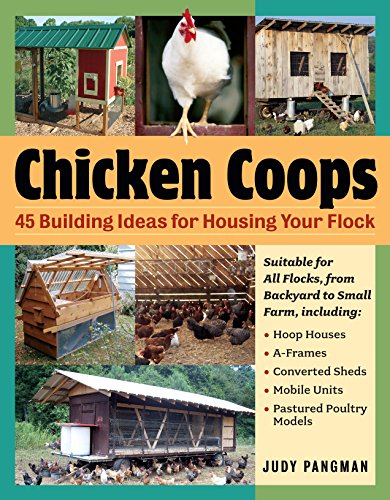
Chicken Coops: 45 Building Ideas for Housing Your Flock offers a hands-on gallery of coop designs that fit a range of small spaces, from compact urban lots to narrow backyards. Each concept emphasizes safety, ventilation, weather protection, and ease of cleaning, with diagrams and material lists that simplify DIY construction. The book helps readers select a footprint that matches available space while considering nesting needs and predator defense. It also discusses portability and future expansion as flocks grow, making it a versatile resource for space-limited keepers.
With photo-forward guidance and practical tips, the book supports fast-start projects or upgrades to existing shelters. The designs favor durable materials and scalable features, allowing adaptation to climate and lot shape. Predator control, maintenance routines, and budgeting are addressed to help readers implement space-efficient, long-lasting solutions.
- Condition: Used Book in Good Condition
Homesteading Handbook For Chickens

The Homesteading Handbook: A Back to Basics Guide to Growing Your Own Food, Canning, Keeping Chickens, Generating Your Own Energy, Crafting, Herbal Medicine, and More offers a broad reference for urban and rural homesteaders. While it covers a wide range of topics, the poultry chapter provides space-conscious guidelines for keeping a small flock within varied layouts. Topics include coop placement, pest control, water management, feed security, and seasonal care—helpful for readers who want a well-rounded household plan that integrates poultry with gardening and energy independence.
Breeding choices, flock management, and basic veterinary care are presented in accessible language, with checklists and sidebars that facilitate best practices in compact settings. The guide also discusses safety, permitting considerations, and balancing animal welfare with productivity in limited space, making it useful for readers pursuing a holistic, low-footprint lifestyle.
- Condition: Used Book in Good Condition
40 Projects for Building Your Backyard Homestead
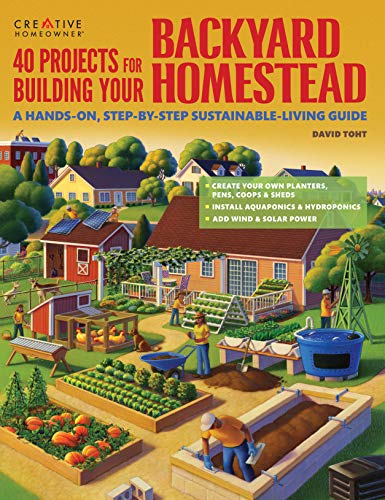
40 Projects for Building Your Backyard Homestead is a hands-on guide that blends chicken housing with other home-scale builds, offering step-by-step instructions for fences, chicken coops, sheds, gardening paths, and more. While it covers multiple project areas, the chicken coops section is highly relevant for readers aiming to optimize small spaces. The book emphasizes sustainable, DIY-friendly construction, with material lists, safety tips, and time estimates to help schedule projects around local weather. The listing notes this is a Used Book in Good Condition.
Readers will find designs that scale to different yard shapes and budgets, plus guidance on maintenance, portability, and future upgrades as flocks grow. The book encourages practical experimentation and problem-solving, which suits homeowners who enjoy hands-on improvements in tight spaces and want durable, adaptable spaces for poultry and other small-scale needs.
- Condition: Used Book in Good Condition
Buying Guide
Choosing the right resources for small-space chicken keeping requires balancing scope, practicality, and climate. Start with space constraints: how much run and coop area can be dedicated year-round? Look for designs that maximize vertical space, provide secure roosting, and ensure easy cleaning. Consider both initial construction and long-term maintenance costs, as well as the level of DIY effort you’re prepared to invest. For urban settings, verify that guidance addresses local regulations, noise considerations, and neighbor relations, which are often the deciding factors when keeping a small flock.
Space and Layout
Prioritize models and plans that optimize coop footprint while providing adequate ventilation and nesting space. Small yards benefit from vertical solutions, multi-purpose structures, and modular designs that can be scaled as the flock grows or as zoning rules change. A well-planned layout reduces wasted space and streamlines daily routines such as feeding, gathering eggs, and cleaning.
Coop Design and Materials
Durability and weather resistance matter in any climate. Look for plans with predator-resistant hardware, secure latches, and easy-to-clean interiors. Materials should be lightweight enough for regional weather but sturdy enough to withstand pests and weather events. Consider prefabricated options if you prefer speed, or invest in DIY builds for customization and cost control.
Predator Prevention and Safety
Strong predator defense is essential in small spaces where a single breach can compromise the flock. Favor enclosed runs, secure fencing, insulated doors, and well-sealed coop openings. Regular inspections and maintenance routines help prevent rust, loose boards, and other vulnerabilities that could invite pests or predators.
Climate, Ventilation, and Welfare
Ventilation reduces moisture and respiratory issues in compact spaces. Ensure there is a balance between airflow and warmth during cold months. Adequate lighting and roost height support hen health, eggshell quality, and egg production, even in restricted layouts.
Maintenance, Durability, and Upgrades
Choose projects and purchases with a clear maintenance plan in mind. Reusable materials, modular components, and scalable designs simplify future upgrades as needs change. Budget for ongoing feed, bedding, and preventive care, and consider how easy it is to clean and disinfect spaces between flocks or seasons.
Costs, Value, and Local Regulations
Books and guides that emphasize practical planning can prevent costly missteps. Compare the upfront time investment with long-term savings from durable construction and efficient routines. Always review local regulations about coop size, setback requirements, and permitted wildlife. The most valuable resources help you navigate rules while delivering reliable welfare for your birds.
Perspective and Use Case
Use these resources to map a customized plan aligned with your goals—just eggs, education, or a broader home-scale homestead. Some titles are broad overviews, while others provide detailed construction plans. A balanced selection enables you to learn the fundamentals, then apply them to your specific yard, climate, and neighborly context.