Best Cat Foods for Maine Coons: Nutrition for Big Cats
Choosing the right cat food for a Maine Coon involves balancing protein, joint support, and hairball management for their large, fluffy frames. This guide reviews five highly regarded options that align with Maine Coon needs, from breed-specific dry formulas to high-protein grain-free dry diets and kitten-focused wet options. Each pick is evaluated for bone and joint support, digestion, coat health, and ease of feeding. The table below helps you compare at a glance and identify options best suited to your cat’s life stage and health concerns.
| Product | Brand | Type | Notable Benefit |
|---|---|---|---|
| Royal Canin Maine Coon Breed Adult Dry Cat Food | Royal Canin | Dry | Bone & Joint support; Heart health |
| Royal Canin Maine Coon Breed Dry Kitten Food | Royal Canin | Dry (Kitten) | Kitten growth; Large-jaw kibble |
| Royal Canin Hairball Care Dry Cat Food | Royal Canin | Dry | Hairball management; Digestive fiber blend |
| Taste Of The Wild Rocky Mountain Dry Cat Food | Taste Of The Wild | Dry (Grain-Free) | High protein; Probiotics for digestion |
| Blue Buffalo Baby BLUE Kitten Wet Cat Food | Blue Buffalo | Wet (Kitten) | Real chicken; High moisture for hydration |
Royal Canin Maine Coon Breed Adult Dry Cat Food

Royal Canin Maine Coon Breed Adult Dry Cat Food is formulated for purebred Maine Coon cats 15 months and older. The diet supports joints and bones with omega-3 and omega-6 fatty acids, helping manage the strain from a large frame. An exclusive blend of heart-healthy nutrients, including taurine, EPA, and DHA, supports cardiac health. The kibble size is crafted with Maine Coon jaws in mind, promoting effective chewing and digestion while helping maintain lean muscle mass. This formula emphasizes precise energy and protein balance to suit the breed’s growth and activity patterns.
- Formulated for purebred Maine Coon cats 15 months and older
- Omega-3 and omega-6 fatty acids support bones and joints
- Taurine, EPA, DHA support heart health
Overall, this dry diet targets the unique physiology of Maine Coons, aiming to sustain vitality, mobility, and long-term wellness.
Royal Canin Maine Coon Breed Dry Kitten Food

Royal Canin Maine Coon Breed Dry Kitten Food is tailored for purebred Maine Coon kittens through 15 months. The kibble is uniquely sized for the Maine Coon’s large jaw, making it easier for kittens to bite and chew as they grow. The formula provides optimal energy and protein content with carefully balanced vitamins and minerals, including vitamin D, to support developing bones and joints during the extended growth period. This product aligns with breeders’ and owners’ goals of healthy early development in large-breed kittens.
- Formulated for Maine Coon kittens up to 15 months
- Specialized kibble sized for large Maine Coon jaws
- Optimal energy and protein with balanced vitamins and minerals
The kit comes with a growth-focused profile designed to support long-term skeletal health and muscular development as kittens transition toward adulthood.
Royal Canin Hairball Care Dry Cat Food
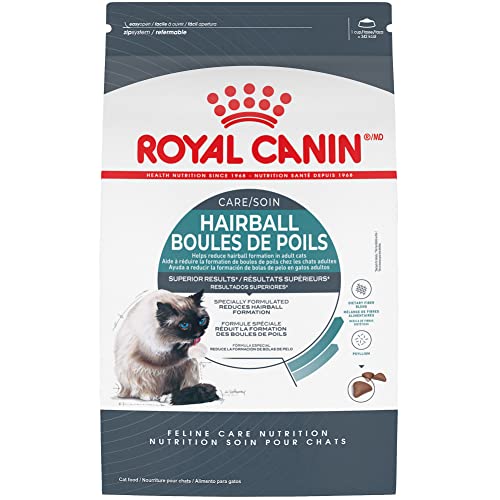
Royal Canin Hairball Care Dry Cat Food is designed for cats aged 1 year and older who are prone to hairballs. The formula uses a specialized fiber blend to help move swallowed hair through the digestive tract, reducing hairball formation. For Maine Coons with long, dense coats, this diet can support coat cleanliness and digestive comfort, especially during seasonal shedding. While not breed-specific, it targets a common Maine Coon concern—hairball management—without sacrificing overall nutrition.
- For cats 1 year and older prone to hairballs
- Hairball management via a specific fiber blend
- Support for digestive health and coat condition
The result is a practical option for owners seeking to minimize hairball incidents while maintaining balanced nutrition for a large-bodied cat.
Taste Of The Wild Rocky Mountain Dry Cat Food

Taste Of The Wild Rocky Mountain Dry Cat Food is a grain-free option featuring roasted venison and smoke-flavored salmon. This high-protein diet (around 42%) supports lean body condition, bone and joint health, and overall vitality for active Maine Coons. The blend incorporates fruits and vegetables for phytonutrients, along with omega fatty acids to support skin and coat quality. Probiotics, antioxidants, and prebiotics are included to support digestion, immune function, and gut health, which can benefit Maine Coons that have sensitive stomachs or busy indoor lifestyles.
- Grain-free formula with roasted venison and smoke-flavored salmon
- High protein (about 42%) supports joints and body condition
- Probiotics, antioxidants, and prebiotics support digestion and immunity
This option provides robust nutrition for muscular, agile Maine Coons while avoiding common grain sensitivities.
Blue Buffalo Baby BLUE Kitten Wet Cat Food

Blue Buffalo Baby BLUE Kitten Wet Cat Food emphasizes real chicken as the #1 ingredient, offering high moisture content to support daily hydration essential for growing Maine Coon kittens. This wet formula can be served as a standalone meal, a topper for dry kibble, or part of a mixed feeding plan. Its balanced protein and moisture help support brain development and healthy growth during the critical early months, complementing dry diets used for adult cats later in life.
- Real chicken is the #1 ingredient
- High moisture content supports hydration
- Versatile feeding options: meal, topper, or treat
Kitten-focused wet food provides a palatable option that can ease transitions from milk to solid foods and support a Maine Coon’s growth trajectory.
Buying Guide
Life Stage And Feeding Style
Choose a diet that matches your Maine Coon’s life stage. Kittens require higher energy density and bone-supportive nutrients, often delivered through growth-focused formulas with appropriate kibble size and vitamin balance. Adults benefit from joint-supporting fats and heart-healthy nutrients, while wet foods can help with hydration and palate variety. For multi-cat households, rotating between dry and wet options can provide balanced nutrition and help prevent picky eating.
Breed-Specific Needs Or Large-Breed Considerations
Maine Coons are a large, active breed with strong appetite and a tendency toward hairballs due to dense fur. Diets that emphasize joint health (glucosamine, chondroitin, omega fatty acids) and fiber for hairball management can be beneficial. Kibble size matters for kittens and young cats with developing jaws, while grain-free options may suit cats with sensitivities. Hairball-focused formulas can support grooming routines and reduce digestive irritation from hair ingestion.
Dry Versus Wet Diets And Transitioning
Dry foods are convenient and help with dental health through chewing, but wet foods boost hydration and palatability. Transition gradually between foods to minimize digestive upset. For kittens, start with easy-to-chew formulas and monitor growth. Senioren should consider moisture-rich options to aid hydration and kidney function support as needed, while ensuring a consistent protein source to preserve muscle mass.
Protein Content, Carbohydrates, And Grain Sensitivity
High-protein, moderate-fat diets support muscle maintenance in large breeds. Some Maine Coons tolerate grains well, while others may benefit from grain-free formulas. When choosing a diet, prioritize named animal protein sources and avoid vague “meat by-products.” Consider fiber and prebiotic content for digestion, and watch for added sugars or artificial additives that can affect coat health and energy levels.
Budget, Availability, And Brand Reputation
Brand reputation and veterinary recommendations carry weight, especially for breed-specific needs. Compare cost-per-serving and feeding guidelines to estimate monthly budgets. Availability matters if you rely on a particular formula for hairball management or joint support. Balanced decisions often involve mixing a reliable dry base with wet meals to maintain palatability and hydration without breaking the budget.
Palatability, Coat Health, And Digestive Comfort
Flavors, textures, and scent influence how readily a Maine Coon accepts a diet. Rich coats respond to omega-3 and omega-6 fatty acids; sensitive stomachs benefit from foods containing probiotics and prebiotics. When a cat shows digestive discomfort, consider gradual transitions, smaller portions, or alternative formulas with a different protein source to identify tolerances.