Best Cat Food for Kidney Health: Top 5 Options for Cats
Kidney health is a cornerstone of long-term wellness for many cats, especially as they age. Diets designed to support kidney function can help manage phosphorus levels, maintain energy, and support overall vitality. The five options highlighted below include prescription diets and renal-friendly formulas, all formulated to support renal function or urinary tract health. Each product offers a different approach—dry kibble, wet meals, or combinations—so you can choose what fits your cat’s needs and your veterinarian’s guidance.
| Product | Brand | Type | Size | Focus |
|---|---|---|---|---|
| Hill’s Prescription Diet k/d Kidney Care Dry Cat Food (Chicken) | Hill’s Prescription Diet | Dry | 4 lb Bag | Kidney support; ActivBiome+ Kidney Defense; low phosphorus |
| Hill’s Prescription Diet k/d Kidney Care Chicken & Vegetable Stew Wet Cat Food | Hill’s Prescription Diet | Wet | 24-Can Pack | Kidney support; ActivBiome+ Kidney Defense; urinary care |
| Purina Pro Plan Veterinary Diets NF Kidney Function Advanced Care Feline Formula Dry Cat Food | Purina Pro Plan Veterinary Diets | Dry | 3.15 lb Bag | Kidney-specific nutrition; restricted phosphorus; EPA/DHA |
| Forza10 Renal Cat Food – Kidney Care Dry Formula | Forza10 | Dry | 2–4 lb options | Low phosphorus; hydrolyzed fish protein; renal support |
| Forza10 Renal Cat Food – Kidney Care Dry Formula With Anchovy | Forza10 | Dry | 4 lb Bag | Renal support; balanced nutrients; limited ingredients |
Hill’s Prescription Diet k/d Kidney Care Dry Cat Food (Chicken) — 4 Lb Bag

Hill’s Prescription Diet k/d Kidney Care Dry Cat Food is formulated to protect kidney function in cats with chronic kidney disease or kidney-related health concerns. The dry kibble offers a protein source that supports muscle maintenance while emphasizing a controlled phosphorus level to reduce kidney workload. The product line notes ActivBiome+ Kidney Defense, a blend of prebiotics designed to support gut health and overall kidney protection. The formula emphasizes palatability and energy density, helping cats maintain vitality on a kidney-friendly diet. Suitable for adult cats as part of a veterinarian-directed plan, this option is often used for long-term kidney management.
Key features include low to moderate phosphorus content, high-quality protein from animal sources, and a focus on sustained energy. While dry foods can be convenient, increased water intake is important for cats with kidney concerns; pair kibble with adequate hydration or consider mixing in wet options if your vet approves. Transitioning gradually is advised to minimize digestive upset. Overall, this product is designed for cats requiring strict kidney function support under veterinary guidance.
Hill’s Prescription Diet k/d Kidney Care Chicken & Vegetable Stew Wet Cat Food

Hill’s k/d Kidney Care Wet Stew provides kidney-supportive nutrition in a palatable canned format with a stew texture cats often favor. This wet option complements or substitutes dry diets in renal care plans, helping boost hydration—an important consideration for kidney health. The formula emphasizes reduced phosphorus, balanced protein, and omega-3 fatty acids to support renal function. Clinically developed with ActivBiome+ Kidney Defense, the product aims to maintain kidney function while offering variety to help with picky eaters.
Owners may use the wet formulation alongside a dry kidney diet to ensure cats receive adequate water intake. The stew’s texture and scent often improve acceptance for cats hesitant about prescription diets. As with any kidney-focused plan, work with a veterinarian to determine the appropriate proportion of wet to dry and to monitor renal markers over time.
Purina Pro Plan Veterinary Diets NF Kidney Function Advanced Care Feline Formula Dry Cat Food

Purina Pro Plan Veterinary Diets NF Kidney Function Advanced Care is a dry formula designed for cats with kidney concerns. It features reduced phosphorus and a curated protein profile to support kidney function while维 maintaining overall body health. The product includes omega-3 fatty acids (EPA and DHA) as part of a kidney-focused dietary strategy. This option is commonly recommended by veterinarians for cats in need of kidney support who require a nutritionally balanced dry diet.
When selecting this option, consider the cat’s stage of kidney disease, palatability, and whether a gradual transition will be needed. Some cats thrive on dry kidney diets, while others benefit from mixing with wet foods to improve hydration and acceptance. Regular veterinary checkups remain essential to track kidney function and adjust the diet as needed.
Forza10 Renal Cat Food – Kidney Care Dry Formula

Forza10 Renal Cat Food in its Kidney Care Dry Formula is crafted to support renal function with a low phosphorus profile and targeted nutrients. The formula emphasizes hydrolyzed fish protein and a limited ingredient approach to minimize dietary triggers for sensitive cats while promoting kidney health. The product also highlights the inclusion of antioxidant botanicals to aid detoxification and oxidative balance, which can be important for cats with renal challenges.
This dry option is designed for non-prescription use, offering a practical alternative for owners seeking renal support without a veterinary diet protocol. As with any kidney-focused plan, gradual transition and monitoring are essential. For cats with advanced kidney disease or other health concerns, a veterinarian may recommend a prescription renal diet instead or a tailored mix of foods.
Forza10 Renal Cat Food – Kidney Care Dry Formula With Anchovy
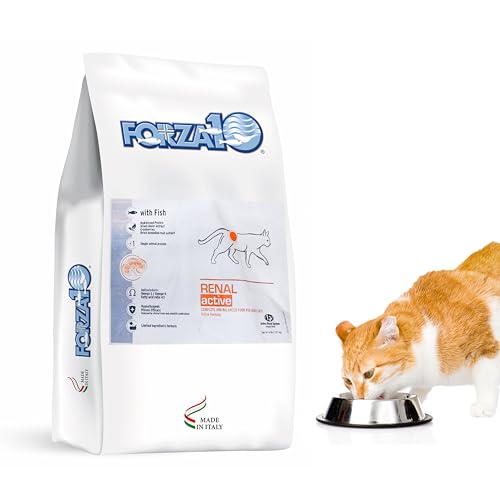
This Forza10 Renal Cat Food variant focuses on kidney support with anchovy as a primary protein source and a natural blend of botanicals. It’s designed for adult cats facing renal needs, offering a low-phosphorus diet and balanced nutrients to ease kidney workload. The limited-ingredient approach helps reduce potential dietary sensitivities while maintaining essential nutrition for kidney health. The formula’s hydrolyzed components aim to support digestion and overall well-being in cats with renal concerns.
As with other renal diets, this product benefits from a gradual transition and veterinary guidance, especially for cats with existing kidney or heart conditions. It provides a non-prescription option that may suit owners seeking a renal-supportive dry diet with a relatively simple ingredient list.
Buying Guide
Key purchase considerations for cat foods focused on kidney health help ensure you choose the right balance of nutrition and acceptance for your cat. The following factors cover common scenarios, from prescription diets to over-the-counter renal formulas.
- Stage of kidney disease and veterinary guidance: Prescription diets are often recommended for confirmed kidney disease or urinary tract issues. Work with a veterinarian to determine whether a prescription diet or a non-prescription renal formula is most appropriate for your cat’s stage and health history.
- Protein quality and phosphorus content: High-quality protein supports muscle health, while reduced phosphorus helps lessen kidney workload. Compare labels for phosphorus targets and protein sources to choose a diet aligned with your vet’s plan.
- Dry vs. wet balance: Dry foods are convenient and can be paired with wet options to boost hydration. Wet foods increase water intake but may have different phosphorus profiles. A combination approach can improve palatability and hydration for some cats.
- Omega-3 fatty acids and antioxidants: EPA/DHA and antioxidant blends support inflammation reduction and immune health, potentially benefiting kidney function. Check for these nutrients in both dry and wet renal formulas.
- Ingredient transparency and sourcing: Limited-ingredient formulas reduce potential sensitivities, while clear labeling helps with phosphorus, protein, and additive transparency. For cats with sensitivities, consider hydrolyzed protein options where available.
- Palatability and appetite: Kidney diets can be unappealing to some cats. Veterinary-approved flavor profiles or gradual transitions help maintain intake and prevent weight loss.
- Hydration strategies: For dry diets, ensure free-choice water or consider adding water or broth to meals (where advised by a vet) to support hydration, a critical factor for kidney health.
- Transition plan: Move gradually from current food to a renal diet over 7–14 days, mixing old and new foods and monitoring appetite, stool consistency, and energy levels.
- Cost and accessibility: Prescription diets may have coverage through veterinary channels or pet retailers. Consider long-term affordability and access to ensure consistent feeding without gaps.
- Monitoring and follow-up: Regular veterinary checkups to monitor kidney function, hydration status, and weight help assess the diet’s effectiveness and guide adjustments over time.
In short, selecting the right kidney-focused cat food involves collaboration with a veterinarian, understanding nutritional targets like phosphorus and protein quality, and prioritizing factors such as hydration and palatability. This approach supports kidney health while maintaining your cat’s overall vitality and comfort.