Best Bedding for Mice: Safe, Dust-Free Substrates for Healthier Habitats
Choosing the right bedding for mice is essential for grooming, comfort, and respiratory health. This guide reviews five options that address moisture absorption, odor control, and enrichment, helping you decide what best supports small pet habitats. Each product has been selected for relevance to mice care and practical in-cage use, with balanced considerations for safety and maintenance. Read on to compare material types, dust levels, and how well each option supports natural behaviors like digging and burrowing.
| Product | Brand | Type | Key Benefit |
|---|---|---|---|
| Sukh Sand Bath | Sukh | Fine silica sand bath for small pets | Low-dust grooming sand that cleans fur and reduces odors |
| Niteangel Aspen Shaving Bedding | Niteangel | Aspen wood shavings | Soft, absorbent bedding that nurtures digging and comfort |
| tafit Paper Bedding | tafit | Dust-free paper bedding | Odor control with long-lasting absorption |
| Niteangel Coco/Cork Bedding | Niteangel | Coconut/cork fibers | Natural, low-dust bedding that supports digging |
| Disney Minnie Crib Sheet | Disney | Crib sheet for human bedding | Soft, elasticized fit; not designed for small animal habitats |
Sukh Sand Bath For Small Pets

The Sukh 14 oz hamster sand bath uses fine silica sand that is naturally absorbent and gentle on small-pet fur. This bath sand helps remove excess grease and dust from coats, effectively keeping small animals dry and clean after grooming sessions. It’s designed to be low-dust, reducing irritation to eyes and nasal passages compared to coarser sands. The product is suitable for a range of small pets including mice, hamsters, gerbils, and chinchillas, and it does not require water for bathing. Use a shallow dish to minimize spillover and supervise initial use to prevent ingestion of large quantities.
In practice, bath sand can support better coat condition and odor control between full cage cleanings. While intended primarily for grooming, some mice may enjoy the tactile experience of a sand bath, which can reduce stress and promote natural grooming behaviors. Regularly replace or refresh the sand to maintain a clean bathing environment and to prevent buildup of dust or debris.
Niteangel Aspen Shaving Bedding

Natural aspen wood shavings provide a soft, comfortable base for mice and other small pets. Aspen bedding delivers a fluffy texture that helps with nest building and hides for burrowing, while remaining relatively gentle on delicate paws. Aspen wood is known to be less dusty than some pine or cedar options, contributing to better indoor air quality. The bedding’s loose structure supports digging and tunnel creation, and the pieces tend to interlock in ways that resist collapse, aiding stability in shallow burrows. Regular spot-cleaning helps maintain odor control between full cage changes.
Absorption is strong, which helps keep cage floors drier and reduces residual moisture that can lead to odors. The natural composition can simplify safe disposal and routine cleaning, making it a practical choice for households with multiple small animals. For mice, this bedding blends enrichment with practicality, supporting natural behaviors while requiring routine maintenance to keep the habitat fresh and dry.
tafit Dust-Free Paper Bedding

tafit paper bedding is made from 100% natural pulp, offering a soft, cloud-like feel ideal for small pets. It’s designed to be skin-friendly, hypoallergenic, and safe if ingested in small amounts. The paper’s loose and porous structure provides effective moisture absorption and odor control, helping to keep the habitat fresh for extended periods. This bedding supports burrowing and digging, encouraging natural behaviors without the introduction of heavy dust. Eco-conscious users will appreciate its biodegradable and compost-friendly properties, which align with sustainable pet care practices.
Odor management is a standout feature, as the bedding minimizes scent buildup and reduces the frequency of full cage cleanings. While it is highly absorbent, replacement frequency will still depend on cage size, number of mice, and activity level. Overall, this option offers a balanced blend of comfort, cleanliness, and environmental considerations, making it suitable for mice and other small rodents.
Niteangel Coco/Cork Hamster Bedding
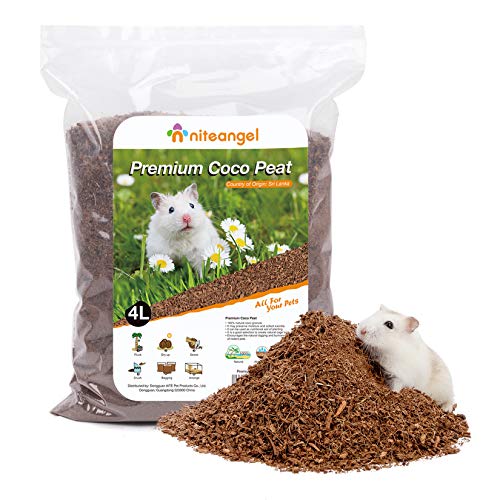
Natural coconut fiber bedding offers a soft, natural alternative for cages, providing a comfortable surface that encourages digging and burrowing. The low-dust composition helps maintain better air quality in small enclosures, reducing respiratory irritation for mice. This bedding supports enclosure enrichment by allowing mice to manipulate and move the material, which can reduce boredom and promote physical activity. It’s also designed to be gentle on paws, with a texture that helps prevent injury during exploratory play. Regular cleaning and occasional refreshes are recommended to preserve its benefits.
As a natural option, coconut/cork bedding is often favored by pet owners seeking a sustainable substrate. It blends well with other enrichment elements, but be aware that some mice may mix bedding with food, so routine monitoring and spot-cleaning remain important for sustained cleanliness and freshness.
Disney Minnie Crib Sheet

This item is a baby crib sheet designed for standard crib mattresses, featuring Minnie Mouse prints and pastel colors. It’s not designed for use as small-animal bedding. The sheet measures 28″ x 52″ and has elasticized edges to secure a snug fit on a standard crib. For pet habitats, it fails to provide the depth, texture, or safety features typically required for mice enclosures, such as appropriate absorbency, buffering depth, or dust-control performance. It serves as a useful comparison to highlight why animal-specific bedding matters for rodent habitats.
Buying Guide: Key Purchase Considerations For Mice
When selecting bedding for mice, prioritize materials that minimize respiratory irritation, support natural behaviors, and simplify maintenance. The following considerations help compare options and choose the best fit for your setup.
- Material safety and dust level — Avoid cedar or pine oils; look for low-dust, fragrance-free options to protect delicate airways.
- Absorbency and moisture control — Bedding should absorb urine and moisture to keep the cage dry, reducing odor and promoting skin health.
- Odor control — Strong odors can indicate moisture buildup or suboptimal hygiene; choose substrates with proven odor management or pair with regular cleaning schedules.
- Enrichment and enrichment potential — Substrates that support digging, tunneling, or nesting improve mental and physical well-being for mice.
- Ease of cleaning and replacement — Consider how long a bedding layer lasts between changes and how easy it is to scoop or refit after use.
- Safety for chewing and ingestion — Ensure the material is non-toxic and appropriate for occasional incidental ingestion; avoid loose threads or small pieces that could be swallowed.
- Environmental impact and disposal — Paper-based and natural fiber options tend to be more eco-friendly and easier to dispose of responsibly.
- Cost and availability — Balance budget with durability; some substrates offer longer-lasting absorption, reducing frequency of full changes.
Quick Comparison Snapshot
| Product | Best For | Notes |
|---|---|---|
| Sukh Sand Bath | Grooming and fur cleanliness | Low-dust silica sand; useful in moderation |
| Niteangel Aspen Shaving | Digging and nesting enrichment | Soft, absorbent; good for burrowing |
| tafit Paper Bedding | Odor control and long-lasting absorbency | Eco-friendly; hypoallergenic |
| Niteangel Coco/Cork Bedding | Natural, low-dust digging substrate | Eco-friendly; encourages exploration |
| Disney Minnie Crib Sheet | Human bedding reference | Not designed for animal habitats |