Best Atropine Sulfate Ophthalmic Solution for Dogs
The use of atropine sulfate in canine eye care is focused on pupil dilation for examination or certain therapeutic needs. While the specific products in this guide are not all atropine-based solutions, they represent common veterinary ophthalmic options that address canine eye inflammation, infections, pain, and cleaning needs. This overview highlights practical alternatives and considerations for pet owners seeking safe, effective eye care products for dogs.
Summary of Selected Products
| Product | Brand | Type | Primary Use |
|---|---|---|---|
| Diclofenac Sodium Ophthalmic Solution for Dogs, Cats, and Horses, 0.1%, 5 mL | Generic | Ophthalmic NSAID Solution | Reduces inflammation in the eye |
| Ketorolac Ophthalmic Solution for Animals, 0.5%, 10 mL | Generic | Ophthalmic NSAID Solution | Alleviates inflammation and itching after surgery or irritation |
| Burt’s Bees for Pets Eye Wash with Saline Solution for Dogs, 4 oz | BURT’S BEES FOR PETS | Eye Wash | Gently cleans and removes debris from eyes |
| Terramycin Ophthalmic Ointment for Dogs & Cats, 1/8 oz | Terramycin | Antibiotic Ointment | Treats bacterial eye infections |
| Generic Dog Eye Care – Eye Wash Solution for Dogs, Tear Stain Remover | Generic | Eye Wash | Removes tear stains and cleans around eyes |
Diclofenac Sodium Ophthalmic Solution for Pets

This sterile ophthalmic solution uses diclofenac, a nonsteroidal anti-inflammatory drug (NSAID) to reduce ocular inflammation in dogs, cats, and horses. It is commonly prescribed to control eye inflammation after surgery or in response to injuries or allergies. Safety considerations include monitoring for bleeding risks in animals already on anticoagulants or with asthma. While not an atropine-based agent, this product addresses post-procedure comfort and inflammation reduction, which can be important in comprehensive canine eye care plans.
Ketorolac Ophthalmic Solution for Animals

This sterile ophthalmic solution contains ketorolac, an NSAID that helps relieve eye inflammation and itching due to seasonal allergies in dogs, cats, and horses. It can also be prescribed to manage pain and inflammation after ocular surgery. As with other NSAIDs, use should be cautious in animals with a predisposition to bleeding, asthma, or diabetes, and under veterinary guidance. This product provides targeted anti-inflammatory support when inflammation impacts a dog’s eye comfort.
Burt’s Bees for Pets Eye Wash

BURT’S BEES FOR PETS Eye Wash offers a naturally derived saline formula to rinse away dirt, debris, and dried eye fluids that can discolor fur. The product emphasizes a gentle, fragrance-free option with minimal synthetic additives. It is designed for routine eye cleaning and maintenance, making it suitable for dogs with sensitive eyes or those prone to tear staining. Regular use can support overall eye hygiene between veterinary visits.
Terramycin Ophthalmic Ointment
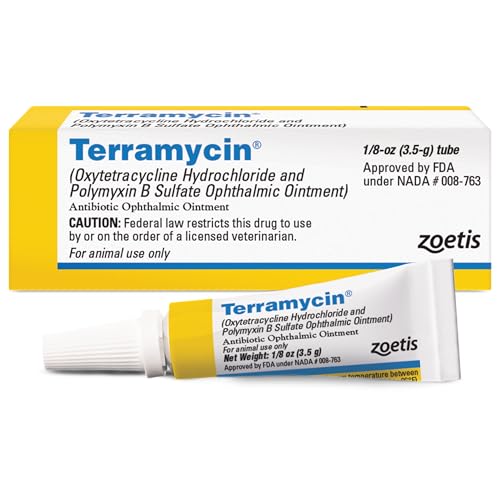
Terramycin ophthalmic ointment combines oxytetracycline hydrochloride and polymyxin B sulfate to treat common bacterial eye infections, including conjunctivitis and corneal conditions. It’s widely used for broad-spectrum antimicrobial activity in dogs and cats. The ointment is typically applied directly to the eye opened gently, following veterinary instruction. Its effectiveness rests on targeting the bacteria most often responsible for ocular infections, with extended tear activity noted in studies, helping maintain microbial control between applications.
Generic Dog Eye Care Eye Wash

This generic dog eye care solution provides a gentle saline-based eye wash that helps remove tear stains and dirt around the eyes. It is designed for routine cleaning and maintenance, offering a fragrance-free option with sterile packaging. The formula focuses on comfort and reliability, making it a practical daily or weekly eye-cleaning product for dogs with sensitive eyes or tear staining concerns.
Buying Guide
When selecting an ophthalmic product for dogs, consider these factors to make an informed choice:
- Purpose and indication: Determine whether you need anti-inflammatory relief, antibiotic treatment, a cleansing solution, or tear-stain management. Products in this guide cover several purposes, from inflammation control to bacterial infection treatment to everyday eye cleaning.
- Active ingredients and safety: NSAIDs like diclofenac or ketorolac reduce inflammation but carry bleeding risk considerations. Antibiotics like terramycin target bacteria. Eye cleansers prioritize gentle, non-irritating formulations. Always follow veterinary guidance for active ingredients and contraindications.
- Species and condition scope: Ensure the product is labeled for dogs and for the specific condition you’re addressing (post-surgical inflammation, conjunctivitis, tear staining, etc.).
- Administration method: Some products are solutions for instillation in the eye, while others are ointments or washes. Follow directions on dosing frequency and application technique carefully to avoid discomfort or injury.
- Stability and storage: Check shelf life, storage conditions, and whether the product requires refrigeration or special handling.
- Potential interactions: If your dog is on systemic medications or has chronic conditions (bleeding risk, asthma, diabetes), review possible drug interactions with a veterinarian before use.
- Veterinary oversight: For infections, post-operative care, or persistent symptoms, consult a veterinarian for an accurate diagnosis and prescription. Off-label use of some ophthalmic drugs can carry risks.
- Cost and availability: Consider long-term use implications, especially for chronic conditions. Compare size, frequency of application, and overall value.
In summary, selecting an appropriate canine ophthalmic product involves matching the product’s active purpose with your dog’s health status, history, and veterinary recommendations. For routine cleaning, a gentle saline eye wash can support daily hygiene. For inflammatory or infectious concerns, prescription or veterinarian-guided OTC solutions with proper indications provide safer, targeted relief. Always monitor for signs of irritation, redness, change in discharge, or behavioral changes, and seek veterinary care if symptoms persist or worsen.