Best Substrate for Planted Aquarium Tanks
Choosing the right substrate is essential for planted aquariums. It affects root health, nutrient availability, and overall water stability, shaping plant growth, shrimp vitality, and fish comfort. This guide reviews five popular substrates from trusted brands, highlighting how they support plant rooting, bacteria colonization, and pH stability. Read on for objective, practical considerations and a side-by-side table to help decide at a glance.
Below is a quick, at-a-glance table with each product’s main purpose and standout benefit. Use it to compare core attributes quickly before diving into detailed product sections.
| Product | Brand | Substrate Type | Key Benefit |
|---|---|---|---|
| Fluval Plant Stratum | Fluval | Porous Substrate | Supports nitrifying bacteria and shrimp protection |
| Aqueon Plant And Shrimp Substrate | Aqueon | Aqua Soil | Supports diverse freshwater flora and invertebrates |
| Seachem Flourite Black Gravel | Seachem | Clay Gravel | Stable bed for rooted plants |
| Hygger CO2 Planted Soil | Hygger CO2 | Planted Soil | Promotes rapid bio-colonization and stable pH |
| LANDEN Aqua Soil Substrate | LANDEN | Soil Substrate | Healthy roots with minerals and slower nutrient release |
Fluval Plant Stratum For Planted Tanks
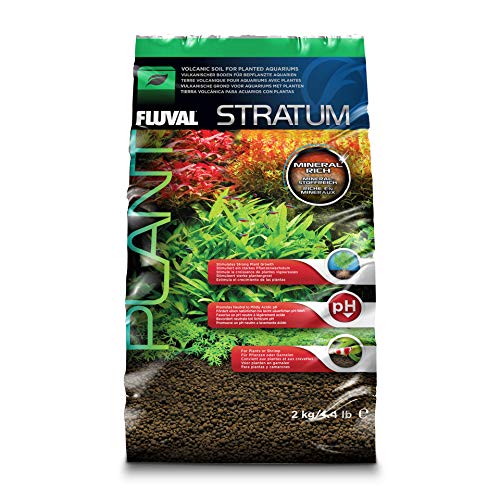
Fluval Plant Stratum is a porous substrate designed to support robust plant growth and a healthy start for invertebrates. Its porous structure encourages rapid colonization by beneficial bacteria, helping establish a stable nitrifying biofilter as the tank cycles. This substrate also tends to maintain a near-neutral to slightly acidic pH range, which is favorable for many aquatic plants, tropical fish, and shrimp commonly kept in planted aquariums. The combination of nutrient-rich minerals and a gentle pH profile helps root systems anchor deeply and access essential micronutrients over time.
In addition to plant health, the Stratum bed offers practical benefits for shrimp, including a hospitable environment for juvenile individuals. The substrate structure can create microhabitats where newborn shrimp find shelter, reducing predation risk while their exoskeletons harden. For hobbyists aiming to keep shrimp alongside fast-growing plants, Fluval Stratum provides a balanced base that supports both plant and invertebrate life. Setup considerations include gradual water filling to minimize disturbance of the bed, and monitoring the tank during early weeks as biofilters establish. Overall, Fluval Stratum blends compatibility for roots, microbes, and shrimp in a single base.
Aqueon Plant And Shrimp Substrate
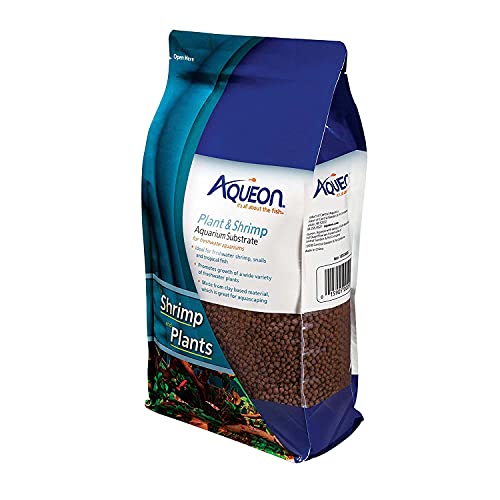
Aqueon’s Plant And Shrimp Substrate is offered in a convenient five-pound bag and is designed for a broad range of freshwater life, including plants, shrimp, snails, and tropical fish. Marketed as a versatile aqua soil, it supports plant roots while providing a nutrient-rich base that promotes growth across a variety of freshwater species. The formulation aims to create a hospitable environment for plant roots to take hold and for beneficial bacteria to establish, helping to maintain clear water and healthy plant development. The substrate’s natural composition is intended to work well with shrimp and other invertebrates, aligning with communities that emphasize live plants and invertebrate activity.
Setup considerations include ensuring the bed is evenly distributed to avoid pockets of low oxygen or uneven nutrient release. A gentle water flow during initial fill helps minimize cloudiness and enables the substrate to settle evenly. Regular maintenance, such as partial water changes, supports long-term stability as plants begin to root deeply and shrimp populations begin to multiply. Aqueon’s option offers a practical blend of plant support with invertebrate compatibility, making it a strong choice for versatile planted tanks.
Seachem Flourite Black Gravel

Seachem Flourite Black Gravel is a stable, porous clay gravel designed specifically for natural planted aquariums. It serves as an integral substrate bed, reducing the need for separate mineral modifiers like laterite. The gravel’s porosity supports root growth and fosters a bioactive layer of beneficial bacteria essential for a balanced tank. While this substrate is well suited for planted setups, it’s important to account for potential initial cloudiness when water first enters the substrate. Slow, careful filling and gentle filtration can help minimize clouding and keep the aquarium visually clear as the bed stabilizes.
One notable feature is Flourite Black’s ability to stand alone as a complete substrate bed, simplifying the setup process for hobbyists who prefer a single-layer solution. The dark color also provides aesthetic contrast that makes vibrant plant foliage stand out, which can enhance the perceived depth and health of the aquarium. Maintenance emphasizes regular water changes and monitoring of plant growth to ensure the substrate remains in good condition and continues to support robust root systems and microbial communities.
Hygger CO2 Planted Soil

Hygger CO2 Planted Soil is formulated to support living plants and shrimps in planted aquariums. It maintains a stable pH range of 6.5–7.5, creating a favorable environment for sensitive shrimp and aquatic plants without persistent fluctuations. The soil is designed for planted aquariums, and users are advised to avoid direct addition to established tanks, with an emphasis on daily water changes during the initial setup phase to help manage nutrient release and water chemistry. The product’s porous, sintered soil structure promotes rapid colonization by beneficial bacteria and can gently acidify and soften water to support plant growth and long-term stability.
In addition to facilitating plant-root development, Hygger’s substrate contributes to a reliable biological base, helping to stabilize ammonia and nitrite levels as the tank cycles. While it offers an attractive option for naturalistic aquascapes, it’s important to monitor water parameters in the early weeks and perform appropriate maintenance. The combination of a planted-soil base with careful water management can yield strong plant growth and a thriving micro-ecosystem for shrimp and fish alike.
LANDEN Aqua Soil Substrate
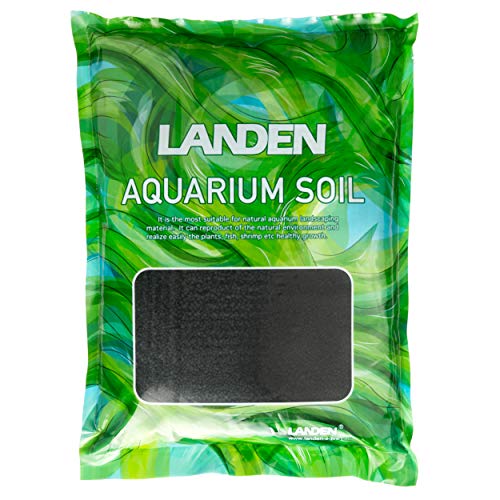
LANDEN Aqua Soil Substrate is a natural option designed to support planted aquariums and shrimp habitats. Made from specially processed earth materials, it provides a healthy root environment and offers minerals and trace elements essential for plant growth and shrimp vitality. The substrate’s porous structure creates a stable breeding ground for beneficial bacteria, helping to keep the water clean. It tends to favor mildly acidic conditions, which many aquatic plants prefer, and can extend and slow the release of fertilizer needed for plant growth. The manufacturer notes that ammonia stabilization commonly occurs within about a week, with partial water changes recommended during the initial period as conditions balance.
LANDEN emphasizes natural materials and a gradual nutrient release profile, making it suitable for hobbyists who prefer a low-maintenance base that still supports robust plant development. The substrate supports both rooted plants and shrimps, providing a foundation for a diverse, visually appealing aquascape. When layering with other substrates or when introducing livestock, users should plan for a settling period and monitor nutrient levels to optimize growth and water quality over time.
Buying Guide
Key purchase considerations
- Substrate type and plant goals: Soil and planted soils typically nourish roots more deeply, while gravels provide stability and aesthetic contrast. Match the substrate to the plant species and aquarium goals.
- pH influence and water chemistry: Some substrates favor neutral to mildly acidic conditions, while others are more inert. Consider the pH range your plants, shrimp, and fish prefer when selecting a base.
- Nutrient delivery and release: Seeded or soil-based substrates often release nutrients gradually. If you want rapid growth, look for products that advertise nutrient availability without causing spikes.
- Biological filtration and bacteria: Substrates with porous structures promote beneficial bacteria colonization, contributing to a stable nitrogen cycle and clearer water.
- Shrimp and invertebrate compatibility: If you keep shrimp, verify the substrate’s safety for delicate invertebrates and its ability to shelter newborns or juveniles.
- Aesthetic and grain size: The color and texture influence how plants stand out and how the tank visually reads. Darker substrates often emphasize green plant life.
- Maintenance and cloudiness: Some substrates are prone to initial cloudiness. Plan for a gentle fill and filtration during setup to reduce disruption while the bed stabilizes.
- Package size and cost: Larger bags may offer better value for bigger tanks. weigh the ongoing costs against the benefits for your setup.
Comparative considerations
- Soil-based options (like Hygger and LANDEN) typically support more robust root growth and slow nutrient release, which benefits heavy plantings and longer-term stability.
- Clay gravels (like Flourite Black) offer durable, stable beds that require minimal ongoing modification and pair well with high-rooted species.
- Seeded bio-substrates (such as some Aqua soils) can jump-start the cycling process and support rapid bacterial establishment, but may require monitoring for nutrient surges.
- kami-compatibility: If shrimp welfare is a priority, look for substrates that provide refuge spaces, stable pH, and gentle nutrient release to avoid stressing sensitive species.
When selecting among these options, consider your tank size, plant species, and preferred maintenance routine. For a versatile planted tank with shrimp or other invertebrates, a layered approach—combining a nutrient-rich bottom substrate with a lighter top layer for aesthetics—often yields balanced growth, vibrant plants, and stable water chemistry over time. Each of the reviewed substrates offers distinct advantages; your choice should align with your target plants, livestock, and long-term tank goals.