Best Antifungal Creams for Ringworm in Dogs and Pets
Finding the right antifungal cream for ringworm in dogs involves balancing efficacy, pet safety, and ease of use. This guide reviews select over‑the‑counter options that are commonly recommended for pet owners, focusing on products that can help with ringworm infections in dogs while considering human-use formulations when appropriate for household use. Below is a quick summary of five notable products, their key strengths, and what to consider before buying.
| Product | Brand | Active Ingredient (if listed) | Best For | Notes |
|---|---|---|---|---|
| Hermon Powerful Antifungal Ringworm Cream | Hermon | Not specified on listing | Stubborn ringworm, jock itch, eczema, tinea versicolor | Gentle for family use; fast relief |
| Lotrimin AF Ringworm Cream Clotrimazole 1% | Lotrimin | Clotrimazole 1% | Most ringworm on body; safe for kids over 2 | Clinically proven; soothing relief |
| McKesson Antifungal Cream, 2% Miconazole Nitrate | McKesson | Miconazole Nitrate 2% | Jock itch, athlete’s foot, ringworm | Moisturizes skin; broad fungal coverage |
| Lotrimin Ultra Ringworm Cream, 1% | Lotrimin | Butenafine 1% | Most ringworm; itching relief | Prescription‑strength feel; fast relief |
| PHARMBANNER Antifungal Cream (Extra Strength) | PHARMBANNER | 1% Clotrimazole | Jock itch, ringworm, psoriasis, athlete’s foot | Plant‑based soothing formula; non‑greasy |
Note: This article focuses on topical antifungals commonly used for human skin infections and household care. If you’re treating a dog for ringworm, always consult a veterinarian before applying products not specifically labeled for animal use, and follow veterinarian guidance on pet safety, dosing, and application frequency.
Hermon Powerful Antifungal Ringworm Cream
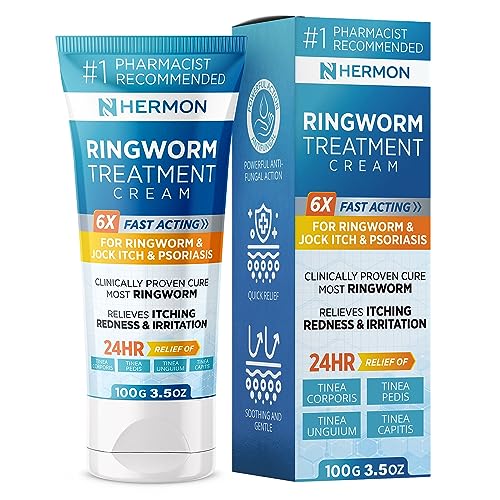
Hermon’s antifungal cream is marketed for rapid relief from stubborn fungal infections, including ringworm, jock itch, eczema, and tinea versicolor. The product claims fast relief and a broad spectrum of use, noting suitability for adults and kids. While primarily positioned for human use, some pet owners consider it for household care under veterinary advice. The formula emphasizes a gentle profile and hypoallergenic properties, aiming to minimize harsh chemical exposure while delivering antiviral and antifungal action. When applying to skin areas likelihood of contact with pets exists; avoid ingestion and keep away from eyes. Use as directed on the package and monitor for any irritation.
Key considerations: check for any known sensitivities, confirm compatibility with your dog’s skin condition, and avoid applying untreated lesions without veterinary approval. This product may be beneficial for household management of ringworm‑related surface symptoms when recommended by a clinician.
Lotrimin AF Ringworm Cream Clotrimazole 1%

Lotrimin AF uses clotrimazole 1% as its active antifungal ingredient and is clinically proven to cure many instances of tinea corporis, commonly known as ringworm. It’s positioned as soothing relief for itchy skin and is labeled for adults and kids over two years. For dog owners, this product is often evaluated for household use to help mitigate skin itchiness associated with fungal infections on exposed areas or for use by family members who might come into contact with lesions. Proper cleaning of the affected area and adherence to the recommended thickness of cream application are advised. As with all topical products, avoid contact with eyes and mucous membranes around pets, and seek veterinary guidance for animal use.
McKesson Antifungal Cream, 2% Miconazole Nitrate
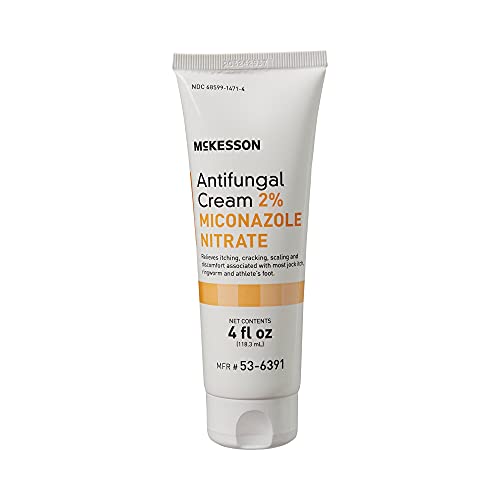
McKesson’s 2% miconazole antifungal cream is described as relieving itching, burning, and cracking associated with jock itch, ringworm, and athlete’s foot. It is also noted to moisturize the skin and can be used as a supplementary care option in moisture‑prone areas or in conjunction with other wound or incontinence care. For pet households, this product may help with human caregivers who are managing fungal skin issues; however, it’s essential to avoid direct application on pets unless specifically advised by a veterinarian, as different species may react differently to active ingredients. Observing any signs of irritation or allergic reaction is important, and follow product directions closely.
Lotrimin Ultra Ringworm Cream

Lotrimin Ultra contains butenafine hydrochloride 1%, marketed as an effective antifungal treatment for most ringworm infections. It’s positioned to relieve itching, burning, cracking, and scaling, with the option of a prescription‑strength feel in a consumer product. It’s suitable for adults and children, offering a fast‑acting formula designed to curb symptoms and support quicker recovery of affected skin. As with other products, watch for any signs of irritation or photosensitivity after application and avoid contact with the eyes and damaged or mucous membrane areas. Use as directed for best results, particularly on heavily affected or cracked skin areas that may require more frequent application.
PHARMBANNER Antifungal Cream (Extra Strength)
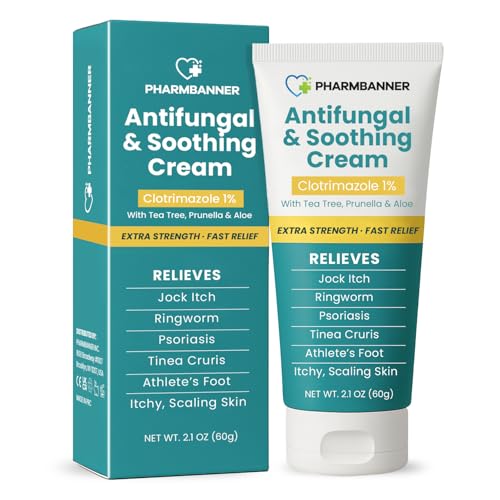
PHARMBANNER’s antifungal cream emphasizes an extra strength 1% clotrimazole formula with a plant‑based soothing blend including tea tree oil, aloe vera, prunella, and witch hazel. The product highlights non‑greasy hydration and quick absorption, aiming to calm inflamed skin and support natural recovery without harsh chemicals. It’s presented as a versatile option suitable for jock itch, athlete’s foot, ringworm, and psoriasis. For owners managing pets in the same household, the practical takeaway is to use any topical product strictly as directed for humans and avoid direct pet application unless veterinary guidance confirms safety. Consider this option if you prefer a gentler, plant‑based approach to fungal skin care.
Buying Guide: Key Purchase Considerations
- Active ingredient and spectrum: Look for active ingredients like clotrimazole, miconazole, or butenafine, and verify the product covers the specific fungal infection you’re addressing. Some formulas may be broad‑spectrum while others are targeted.
- Age and skin type suitability: Check age recommendations and any cautions for sensitive or reactive skin. For households with children, select products labeled safe for kids over the appropriate age.
- Pet safety and veterinary guidance: Do not treat dogs with human antifungal creams unless advised by a veterinarian. Some products may be unsafe for animals or require veterinary supervision for off‑label use.
- Application guidelines: Consider creams that are easy to apply, non‑greasy, and quickly absorbed. Follow directions for frequency, thickness, and duration to maximize efficacy and minimize irritation.
- Skin conditions and sensitivities: If the dog has open wounds, cracked skin, or concurrent skin conditions, consult a vet before applying any topical antifungal. Some ingredients can cause irritation or interact with other treatments.
- Allergy considerations: Check for potential allergens (fragrances, preservatives, or plant extracts) that may provoke reactions in sensitive individuals or pets sharing the space.
- Household safety: When using human antifungals in a home with pets, store away from pets’ reach and monitor for any cross‑contact with fur or paws. Use pet‑specific guidance when applying around animals.
- Evidence and outcomes: Consider products with clinical or pharmacist recommendations, and track symptom changes to assess whether a product is benefiting the infection without adverse effects.
In summary, selecting the right antifungal treatment for ringworm in a household with dogs should involve veterinary consultation, careful review of active ingredients, and attention to safety for both humans and animals. The products listed above illustrate a range of commonly available options and considerations to help guide a practical decision in collaboration with a healthcare professional.